
Commercial Tuckpointing, Masonry & Brick Repair in Chicago
Servicing all your tuckpointing needs while preserving your building's cosmetic appeal
Our Services Include:
Tuckpointing
Masonry Restoration
Brick Repair
Stone Restoration
Lintel Replacement
Panel Brick Repair
Chimney Repair
Caulking
Waterproofing
Power Washing
A True Brick And Mortar Company
Trusted Masonry Restoration Specialists With Over 50 years Of Experience Restoring Your Building's Architectural Beauty!
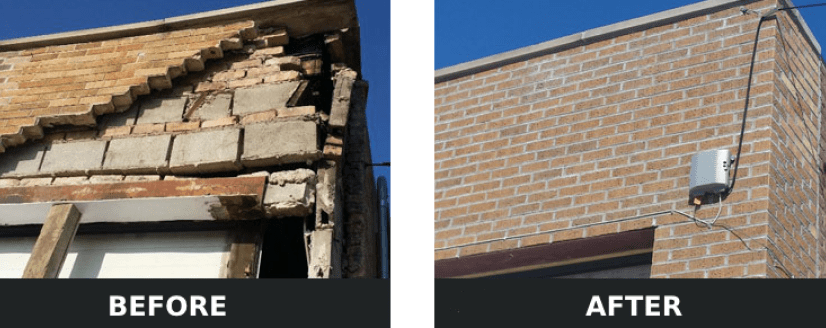
Certified, Licensed, Insured & Bonded For Any Size Project
Commercial Tuckpointing, Masonry & Brick Repair in Chicago
Arrow Masonry has been restoring commercial buildings in Chicago since 1964. Condo associations, property managers, apartment owners, and commercial building managers across the city call us for tuckpointing, brick repair, masonry restoration, lintel replacement, and stone restoration. We've worked on six-flats in Lakeview and full building envelope programs in the Loop.
Chicago is one of the hardest cities in the country on masonry. Fifty years on Chicago's streets taught us exactly why.
Why Chicago Buildings Fall Apart Faster Than Almost Anywhere Else
Masonry maintenance in Chicago isn't elective. The city's climate and building stock combine to accelerate deterioration faster than most other American cities.
Freeze-Thaw Cycles
Chicago gets roughly 40 to 50 freeze-thaw cycles a year. Each one works the same way: moisture enters a mortar joint, freezes, expands slightly, and opens the joint a little on the way out. Do that a few thousand times over a decade and a hairline crack becomes an open joint. An open joint becomes a water path through your building's wall.
Most Chicago commercial buildings show measurable mortar deterioration within 10 to 15 years of their last tuckpointing job if they're not maintained. A $10,000 maintenance job left for a decade becomes a $60,000 restoration. We see this constantly.
Chicago Common Brick
Most pre-1970 commercial buildings in Chicago were built with Chicago common brick - a locally produced clay brick manufactured by the billions in the 19th and early 20th centuries. It's softer and more porous than modern face brick, so it absorbs more water and takes more damage from freeze-thaw cycling.
There's a less obvious problem too. Using modern portland cement mortar on Chicago common brick causes the brick to fracture over time. Modern mortar is harder than the brick. When the wall moves (and all walls move), the stress goes into the brick instead of the mortar joint, and the faces start popping off.
Proper repair on these buildings requires mortar matched to the original lime-based composition - softer and more flexible than what most contractors grab off the shelf. Arrow's crews have worked on Chicago common brick for 50 years. We match mortar by composition and color. Getting it wrong causes more damage than leaving the old mortar alone.
Lake Michigan Moisture
Chicago's proximity to Lake Michigan means persistent humidity and lake-effect precipitation on top of the freeze-thaw problem. North and east-facing facades take the worst of it. You'll usually see efflorescence (white salt deposits) on those faces first, followed by accelerated mortar erosion. Buildings along Michigan Avenue, Lake Shore Drive, or within a mile of the lakefront generally need more frequent attention than comparable buildings further west.
The Age of Chicago's Buildings
Chicago has more historic masonry architecture than almost any other American city. The Great Chicago Fire of 1871 triggered a brick construction boom that ran through the 1920s. River North, the Loop, Lincoln Park, Wicker Park, Pilsen, Hyde Park - the masonry buildings filling those neighborhoods are between 80 and 150 years old now. They weren't designed to last indefinitely without maintenance. Many haven't been maintained on schedule. Deferred maintenance compounds: every year you wait, the repair scope grows.
Building Code Violations
Chicago's Municipal Code requires periodic facade inspections for commercial and multi-unit residential buildings over a certain height. Deteriorated mortar, cracked or displaced brick, failed lintels, and leaning parapet walls are all violations. That means stop-work orders, fines, or in bad cases, city-supervised emergency repairs ordered on a timeline that's not yours to control. Emergency city-ordered repairs cost more than anything you'd schedule on your own. Arrow corrects masonry code violations and provides city documentation for your board or ownership group.
Historic Preservation Requirements
Chicago's landmark and historic district designations - Prairie Avenue, Wicker Park, Pullman, and hundreds of individually designated buildings - require approved repair materials and techniques. Using the wrong mortar or the wrong repair method on a landmarked building can mean a required redo at your cost. Arrow has worked on historically designated buildings in Chicago for decades. We know what the city's preservation standards require.
Our Chicago Masonry Services
Arrow performs all masonry repair and restoration work with our own crews. We don't subcontract.
Tuckpointing is the process of cutting out deteriorated mortar from brick joints – typically to a depth of about 3/4″ to 1″ – and packing in fresh mortar matched to the original in color, texture, and composition. It’s the most routine maintenance item on a Chicago commercial building, and the one most often deferred until it’s no longer routine.
For Chicago common brick buildings, we use lime-putty or NHL (natural hydraulic lime) mortar matched to the original construction. For newer buildings with hard face brick or concrete masonry, we use portland-based mortar formulated for the substrate. Mortar matching determines whether the repair lasts 20 years or causes new damage within five.
We recommend a facade inspection every five to seven years for most Chicago commercial buildings. We’ll give you an honest read on what needs to happen now versus what can wait, and we’ll organize the work by urgency.
Full masonry restoration addresses structural issues that routine tuckpointing can’t fix: crumbling brick sections, failed wall ties, bowing facades, and compromised parapets. Chicago’s older commercial building stock – especially buildings from the 1880s through the 1930s – regularly needs restoration-level work, not maintenance-level work.
Arrow’s crews rebuild failed brick sections, replace compromised wall systems, and stabilize facades throughout Chicago. We’ve worked on 19th-century commercial storefronts in Pilsen and water-damaged residential towers on the North Shore. Restoration work often means coordinating with structural engineers or preservation consultants. We handle that too.
When individual bricks fail – spalling, cracking, displacement, bowing – they need replacement, not repointing. Spalling (the brick face peeling or popping off) is common in Chicago common brick buildings and almost always traces back to water infiltration combined with freeze-thaw cycling. Once it starts it accelerates. A spalling brick exposes softer interior material to direct weather, which causes more spalling.
Arrow replaces individual brick units, patches small sections, and does full brick panel replacement where damage is extensive. We source replacement brick matched to your existing material in size and color. We also fix whatever let the water in – failed mortar, cracked sills, broken caulk joints. Replacing brick without addressing the water source is money spent twice.
Chicago has a lot of limestone, greystone, and natural stone construction. The classic greystone two-flat and three-flat. Indiana limestone on Loop office buildings and civic structures. Prairie-style commercial buildings with elaborate stone ornament. All of it ages.
Stone doesn’t behave like brick. Limestone weathers differently depending on orientation (east and south faces go fastest), reacts differently to water, and needs different repair approaches – consolidants, stone patching compounds, caulking at movement joints, and selective unit replacement. Arrow restores limestone sills, copings, cornices, and facade panels throughout Chicago. We also work on brownstone, sandstone, and cultured stone. Historically designated buildings require specific approved materials – we work within those constraints.
A lintel is the structural member spanning the top of a window or door opening that carries the masonry above it. In Chicago’s older commercial buildings, they’re almost always steel angle, and steel rusts. As a lintel corrodes and expands, it cracks and displaces the brick above the opening. You’ll see it as stair-step cracking at the upper corners of windows, or as brick that looks pushed outward above a storefront.
Rusted or deflected lintels are among the most common Chicago building code violations we encounter, and the most urgent – a failing lintel is a falling hazard. Arrow replaces lintels on commercial buildings across Chicago, cutting out the failed steel, supporting the masonry, installing new galvanized or stainless angle, and rebuilding the brick above. We waterproof the lintel shelf on the way out to prevent the same failure from recurring. If your building has stair-step cracking at window corners, get it looked at.
Post-WWII commercial construction in Chicago commonly used panel brick – thin brick veneer, typically 2-5/8″ thick, applied over a concrete or steel structural frame. These buildings are common throughout Chicago’s commercial corridors from the 1950s through the 1980s. Panel brick fails differently than traditional masonry: veneer tie failure, panel joint deterioration, delamination, and water infiltration at panel-to-panel transitions.
Arrow performs spot repairs on individual panels, replaces full panel sections, and addresses the joint systems between panels. Panel brick repair requires understanding the veneer tie system and the backup wall. You can’t treat it like traditional masonry.
Chimneys take more abuse than any other masonry element on a building. They project above the roofline, receive weather from all sides, and cycle thermally between interior heat and exterior cold. In Chicago that means faster deterioration than wall masonry. Arrow repoints and rebuilds chimneys on commercial properties throughout the city. We address crown failures, spalling brick on exposed shafts, failed flashing at the roof intersection, and full chimney rebuilds where deterioration has gone too far for repair.
Not every joint in a commercial facade should have mortar in it. Control joints, expansion joints, window perimeter joints, and transitions between different materials need a flexible sealant. In Chicago, where exterior temperatures swing more than 100 degrees between summer and winter, those joints move constantly. Mortar in a movement joint cracks and fails within a season or two.
Arrow installs and replaces commercial-grade caulking throughout Chicago. We use high-performance silicone and polyurethane sealants suited to the joint type and substrate, with joints properly cleaned and fitted with backer rod before application. Caulking at window and curtainwall perimeters is often the last barrier against water infiltration. Consumer-grade product applied without prep fails fast.
After masonry repairs, penetrating waterproofers protect the restored surface from future water infiltration. Arrow applies silane/siloxane water repellents – the right product for Chicago’s brick, limestone, and concrete block – on commercial facades following restoration and tuckpointing work. They don’t change the appearance of the masonry but reduce water absorption and extend the maintenance cycle.
Waterproofing won’t seal open mortar joints or cracked brick on its own. Applied to sound masonry after proper repair, it extends the life of that work considerably.
Chicago’s urban environment puts decades of grime, diesel soot, biological growth, and efflorescence on masonry facades. Professional washing restores appearance, removes efflorescence before it causes permanent staining, and prepares surfaces for waterproofing or sealant application.
High pressure on soft masonry – Chicago common brick, limestone – causes irreversible surface erosion. Arrow uses the lowest effective pressure combined with appropriate cleaners for the substrate. We typically combine power washing with pre-bid facade inspection or post-repair cleanup.
Who We Work With in Chicago
Most of our Chicago commercial work is with condo associations and HOAs. We understand how associations operate: reserve fund planning, board presentations, multi-year project phasing, coordination with property management companies. We've worked with associations in Lincoln Park, Lakeview, River North, Bucktown, Wicker Park, Edgewater, Hyde Park, and throughout the North Shore. We provide written scope with photos and itemized pricing for board review. If the project needs to be phased across multiple budget years, we can structure it that way. Apartment and multi-unit building owners - independently operated and professionally managed - make up a large part of our work. We help prioritize repairs by urgency and structure scopes to fit seasonal and budget constraints. For commercial and mixed-use properties, we work with owners and managers to maintain facades in structurally sound and presentable condition. A deteriorating facade tells tenants something about the building they're in. Arrow has restored masonry on Chicago churches dating back to the 19th century, including historically designated structures. We've worked on Chicago Public Schools buildings, park district facilities, and municipal structures. Our origins in 1964 were in industrial masonry - warehouse and manufacturing building envelopes are still part of what we do.
Recent Chicago Projects
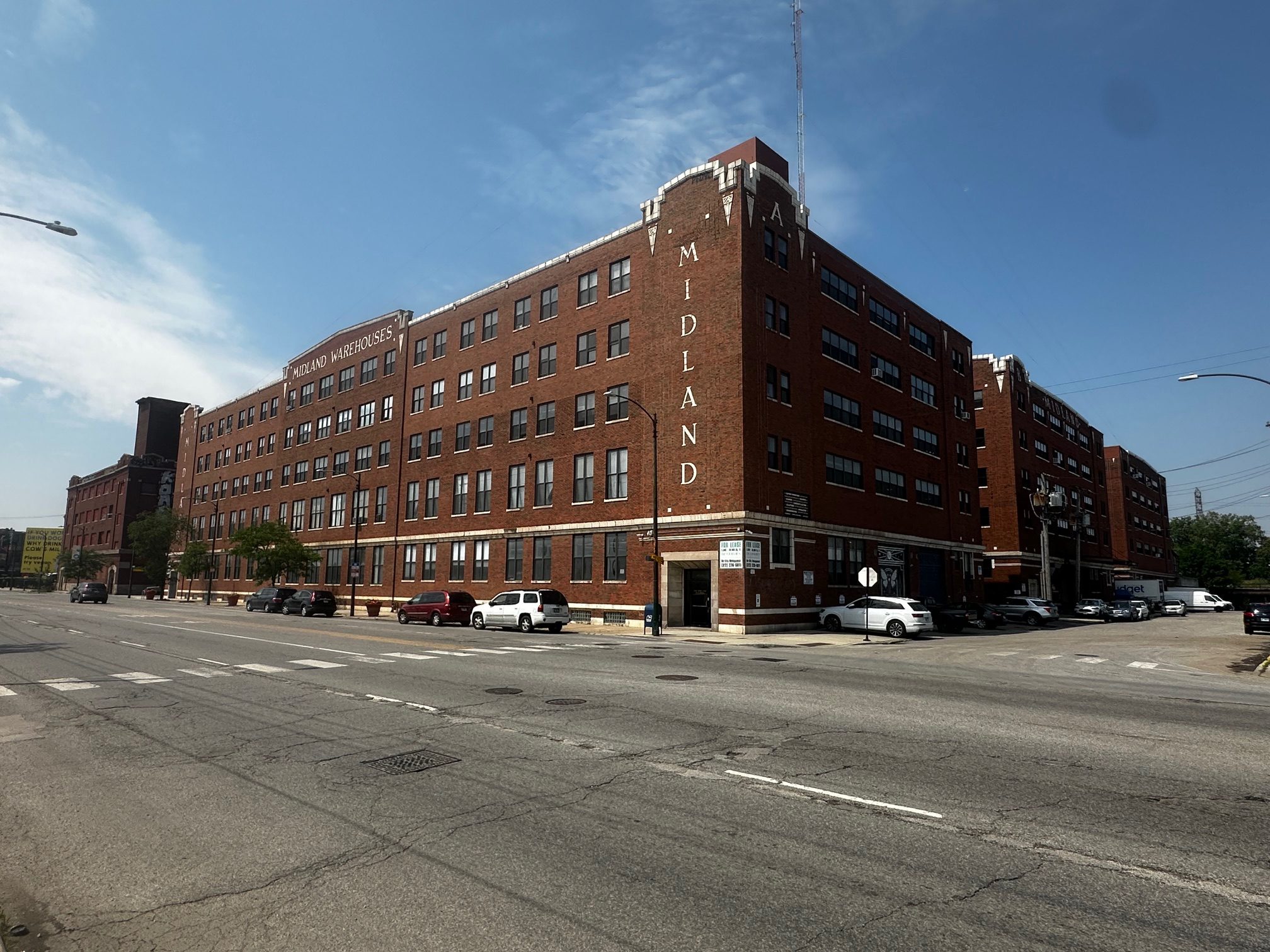
Arrow recently wrapped up a focused masonry upgrade in Chicago, reinforcing both the strength and appearance of this city building. […]
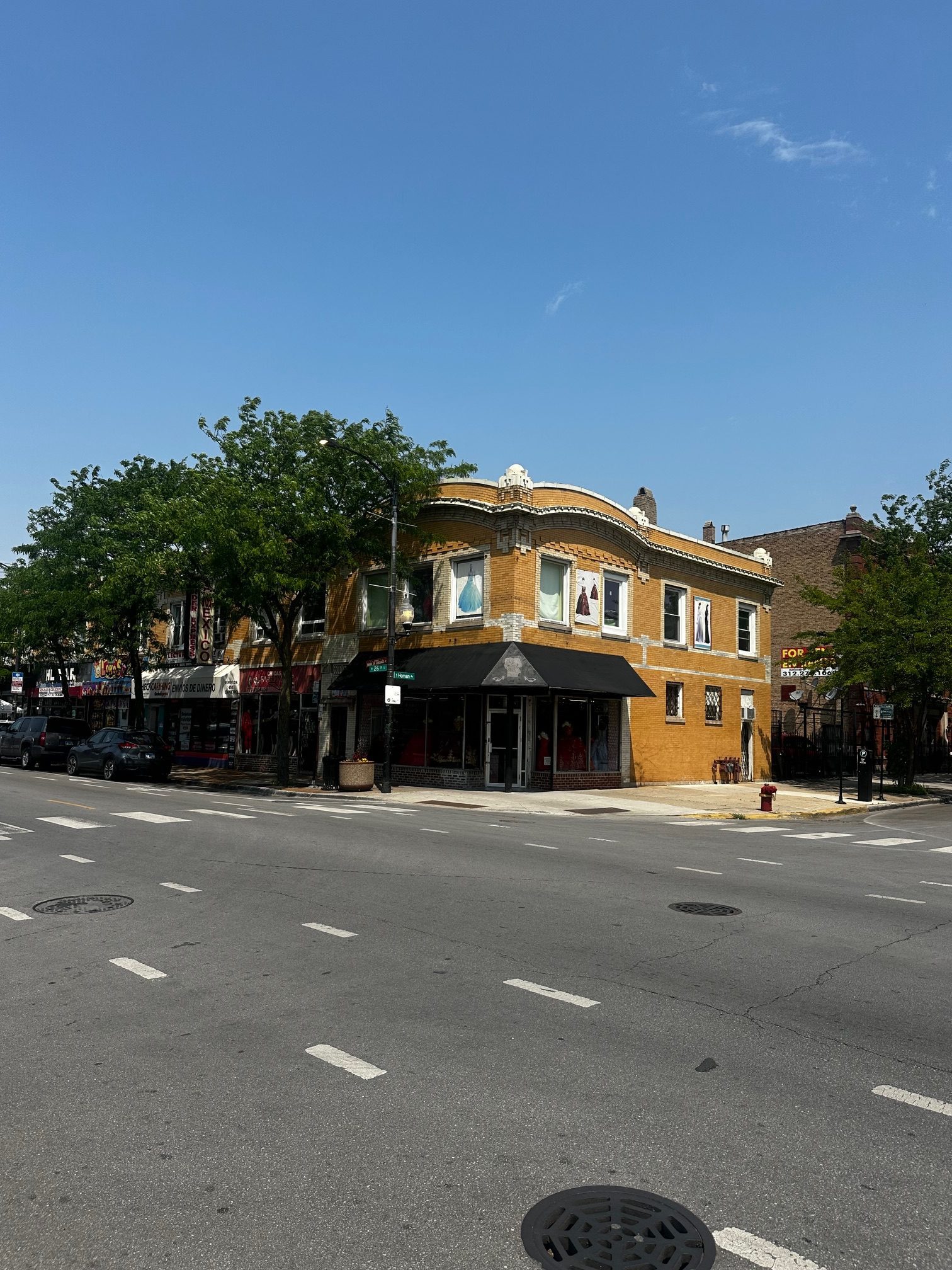
Arrow recently completed a tuckpointing, brick repair, and caulking project on a prominent corner building in Chicago, restoring both strength […]
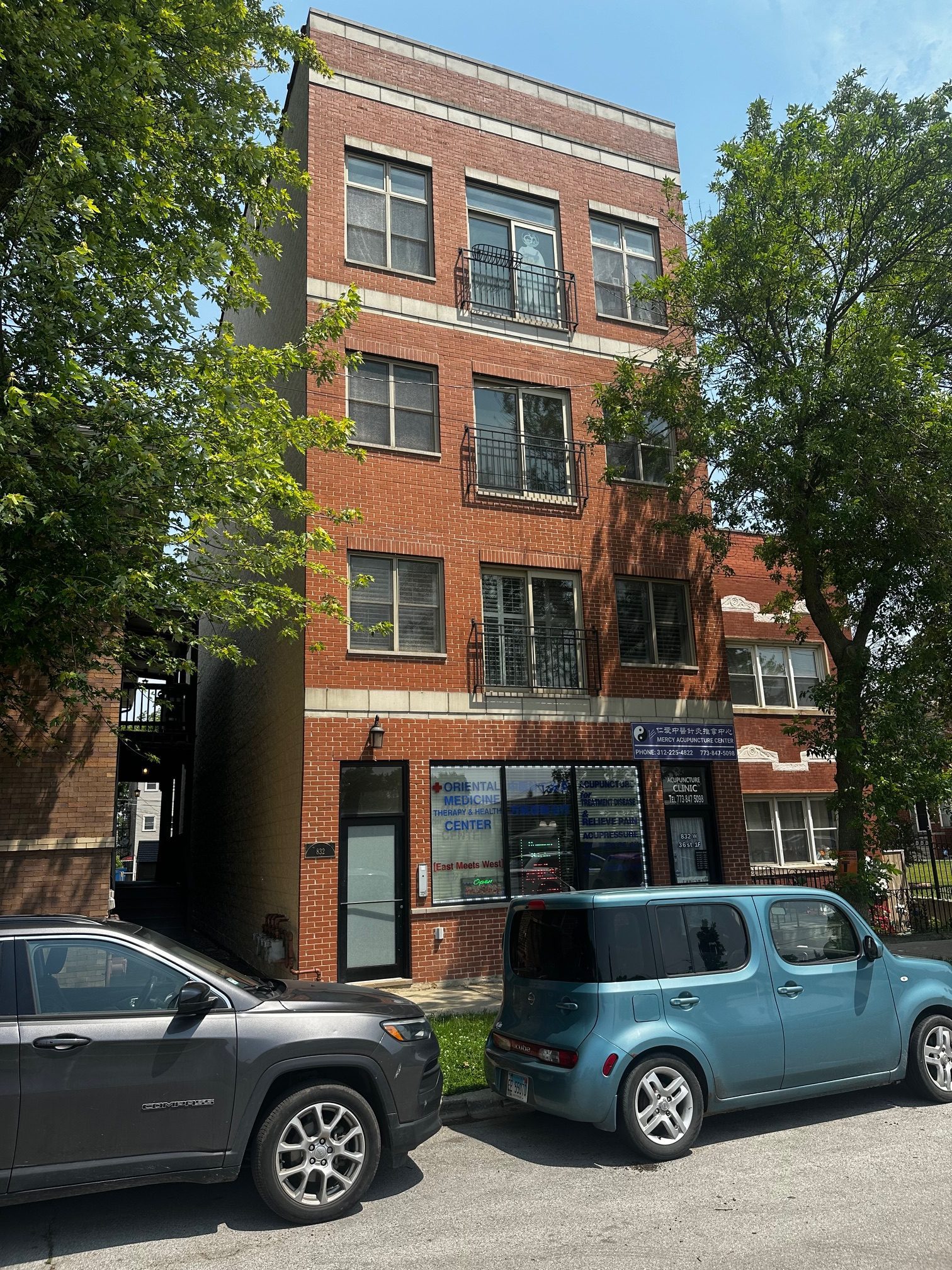
Arrow recently completed a caulking and waterproofing project on a 3-flat condo building in Chicago, designed to stop leaks before […]
Common Questions
Every five to seven years is a reasonable inspection schedule for most buildings. Buildings with Chicago common brick, north or east-facing exposures, a history of water infiltration, or years of deferred maintenance may need more frequent attention. Staying on a maintenance schedule typically costs 20 to 40 percent of what restoration costs when that schedule slips too long.
It varies. Building height, access requirements (scaffolding versus rope access versus boom lift), the volume of mortar that actually needs replacement, and current labor and material costs all affect the number. Most commercial projects run from around $5,000 for targeted spot repairs on accessible facades to $150,000 or more for full-building envelope programs on multi-story buildings. Arrow provides free on-site estimates. We’ll scope it honestly and separate what needs to happen now from what can wait.
Tuckpointing addresses the mortar joints between bricks. Brick repair addresses the brick units themselves. Many buildings need both. Gaps or crumbling in the mortar lines means tuckpointing. Brick faces peeling off, cracks running through the brick, or displaced brick means brick repair. Stair-step cracking at window corners usually points to lintels. Arrow can assess all of it in one site visit.
Most of our Chicago commercial work is with associations, HOA boards, and management companies. We provide the documentation boards need for reserve fund planning and vendor selection. We can structure phased scopes across multiple budget years and work within board-approval timelines.
Yes. Arrow corrects masonry violations on Chicago commercial and residential buildings – deflected lintels, displaced parapet walls, open mortar joints, spalling or displaced brick. We provide city documentation.
Yes. Arrow has restored masonry on historically designated buildings in Chicago’s landmark districts. The work requires matching original mortar composition, using city-approved materials, and sometimes coordinating with the Chicago Landmarks Commission. We know the process.
All of Chicago and the greater Chicagoland area – the North Shore, western suburbs, and south suburbs. Palatine office: 847-776-6400. Chicago office: 312-709-7875.
Why Chicago Building Owners Have Called Arrow Since 1964
Arrow has been doing masonry work in Chicago since 1964. More than 50 winters.
We're licensed, insured, and bonded for any project size. We carry a BBB A+ rating. We don't subcontract - the crews doing your project are Arrow employees.
The thing that separates us specifically in Chicago is mortar matching. For buildings with Chicago common brick, using the wrong mortar accelerates deterioration. Most contractors don't know this or don't act on it. We've been working with these buildings long enough that matching the original mix is standard practice, not a special request.
Free estimates. On-site inspections typically schedulable within 24 hours. Two offices - Palatine and Chicago.
Contact Us
To schedule a consultation or request a quote, please click here to contact us: