
Professional Chimney Repair Services
"Chimneys are usually the first part of a masonry building to manifest signs of deterioration. This is mostly due to the fact that chimneys are constantly bombarded by the elements."
Chicagoland Tuckpointing And Masonry Repair
Servicing all your masonry restoration needs while preserving your building's cosmetic appeal...
Our Services Include:
Tuckpointing
Masonry Restoration
Brick Repair
Stone Restoration
Lintel Replacement
Panel Brick Repair
Chimney Repair
Caulking
Waterproofing
Power Washing
Professional Chimney Repair Services
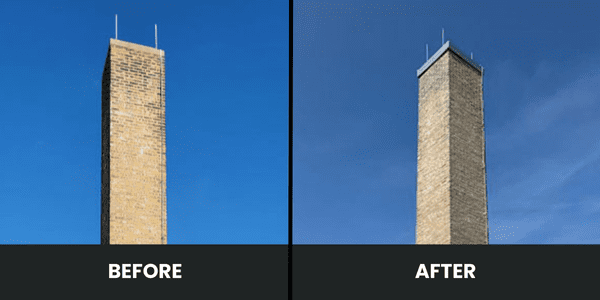
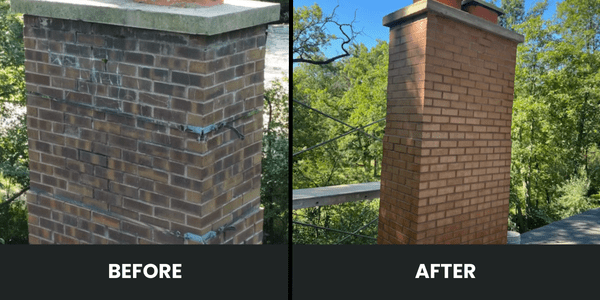
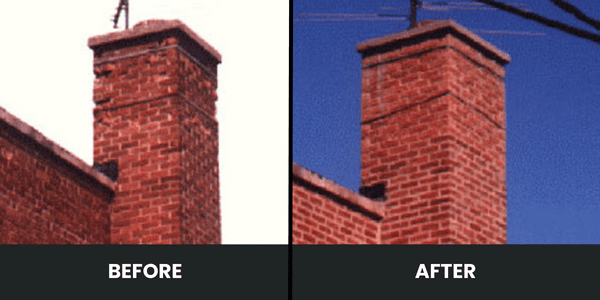
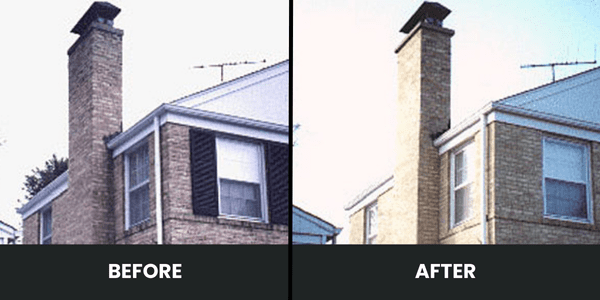
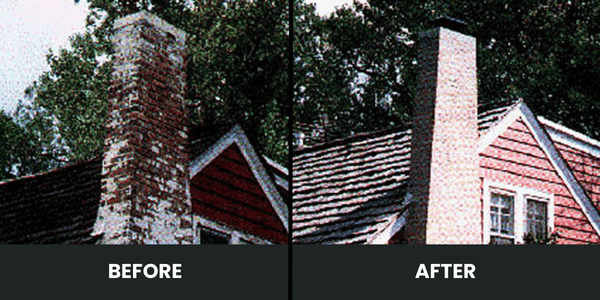
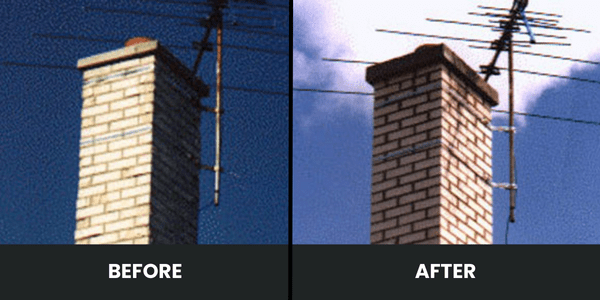
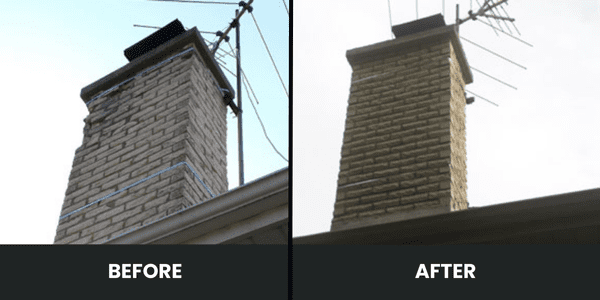
Professional Chimney Repair and Restoration
Chimneys are one of the most exposed parts of any home.
They face constant weather from every direction, freeze-thaw cycles, heat stress from inside, and long-term moisture exposure above the roofline.
Over time, this leads to failing mortar joints, cracked brick, damaged crowns, flashing leaks, and in severe cases, structural instability.
Our chimney repair services restore both the safety and weather protection of your chimney, helping prevent water damage, fire risk, and costly roof repairs.
Common Chimney Problems We Repair
We commonly repair:
- deteriorated mortar joints
- cracked or spalling bricks
- damaged chimney crowns
- flashing failures
- leaning or unstable chimneys
- cracked flue tiles
- water intrusion near the roofline
Chimneys typically deteriorate faster than exterior walls because they are fully exposed year-round with no overhang protection.
Signs Your Chimney Needs Immediate Attention
Call for an inspection if you notice:
- loose or missing bricks
- crumbling mortar
- water stains near the chimney wall
- visible leaning
- crown cracks
- flashing separation
- pieces of brick or mortar on the roof
Cracked or flat chimney crowns are one of the most common failure points in Chicagoland.
A properly sloped crown with an overhang helps shed water away from the chimney face, reducing the saturation-freeze cycle that causes brick spalling during winter.
A leaning chimney or major brick movement should always be treated as urgent.
Our Chimney Repair Process
1. Full Chimney Inspection
We inspect the chimney structure, crown, flashing, mortar joints, and visible internal deterioration.
2. Repair Planning
We determine whether the chimney needs:
- tuckpointing
- brick replacement
- crown rebuild
- flashing repair
- partial rebuild
- full rebuild
3. Structural Repairs
Repairs may include mortar restoration, brick replacement, crown reconstruction, and flashing replacement.
4. Waterproofing Protection
After repairs, we apply breathable water repellent to help prevent future moisture damage.
Partial Rebuild vs Full Rebuild of a Chimney
Partial Rebuild
Often recommended when the upper chimney section above the roofline has deteriorated but the lower structure remains stable.
This is a cost-effective solution for many older homes.
Full Rebuild
Necessary when the structure is unstable, significantly leaning, or has widespread brick and mortar failure.
All rebuilds are completed to meet current Chicagoland building code requirements, including:
- proper height above roofline
- safe flue liner clearance
- structural support standards
This ensures long-term safety and code compliance.
Why Chimney Repairs Matter
A damaged chimney can lead to:
- roof leaks
- ceiling water damage
- mold growth
- fire hazards
- carbon monoxide risks
- structural collapse
This is why chimney issues should never be left untreated.
Recommended Maintenance
We recommend:
- annual chimney inspections
- regular cleaning if the fireplace is in use
- waterproofing every 5–10 years
- immediate repair of cracks or loose masonry
Even unused chimneys still require maintenance because they remain exposed to weather and moisture.
Related Masonry Services
Chimney issues often point to larger exterior moisture problems.
Related services include:
- tuckpointing
- waterproofing
- power washing
- full masonry assessments
This helps identify hidden water damage before it spreads.
Chimney Repair F.A.Q.s
At least once per year.
Yes. Many repairs involve rebuilding from the roofline upward.
Proper repairs and tuckpointing typically last 25–30 years.