
Professional Caulking Services
"Caulking is one of Arrow Masonry’s value added services as it uses the rigging already in place for our core tuckpointing and masonry restoration procedures."
Chicagoland Tuckpointing And Masonry Repair
Servicing all your masonry restoration needs while preserving your building's cosmetic appeal...
Our Services Include:
Tuckpointing
Masonry Restoration
Brick Repair
Stone Restoration
Lintel Replacement
Panel Brick Repair
Chimney Repair
Caulking
Waterproofing
Power Washing
Professional Caulking Services
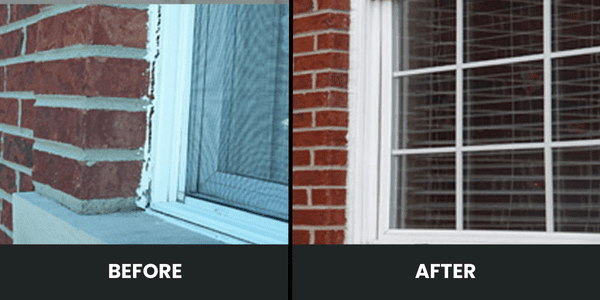
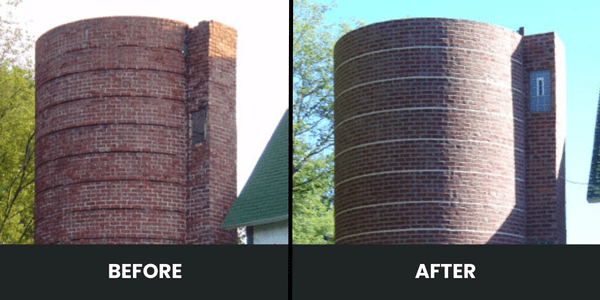
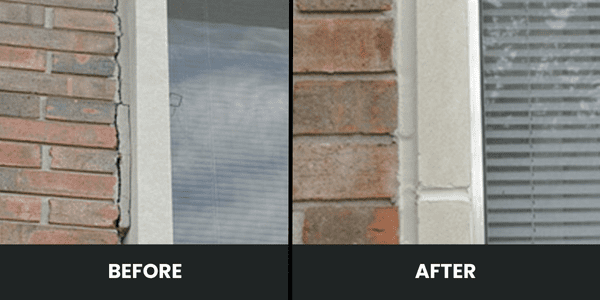
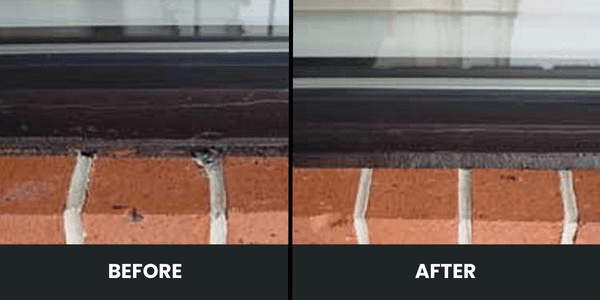
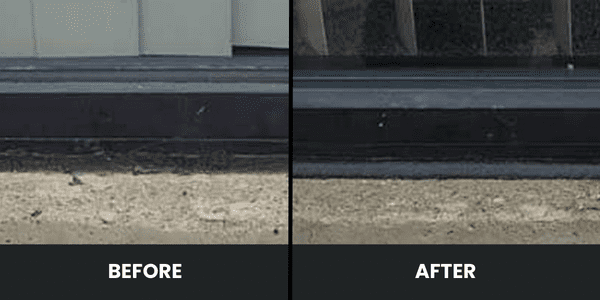
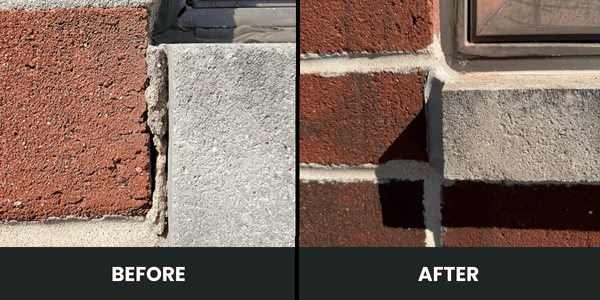
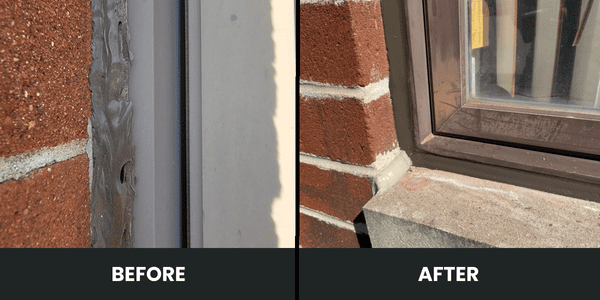
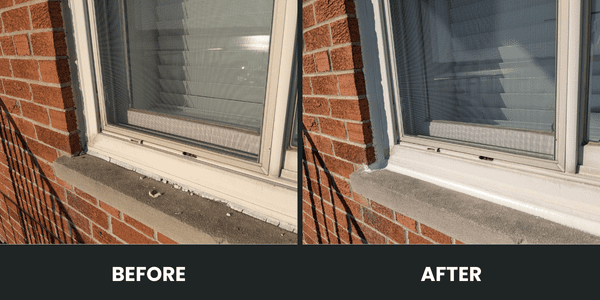
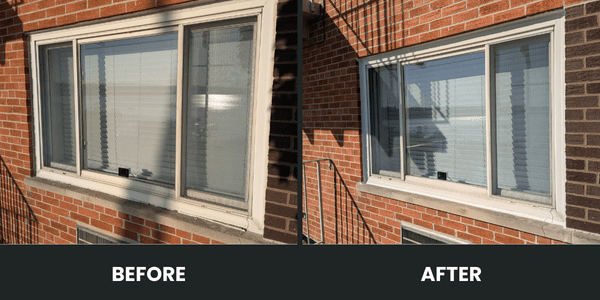
Professional Masonry Caulking Services
Not every joint in a masonry building should be filled with mortar. Some areas are designed to move and require flexible sealant instead.
Our professional caulking services seal expansion joints, control joints, window perimeters, and masonry transitions to prevent water intrusion, reduce air leaks, and protect your building from long-term weather damage.
When used in the right location, commercial-grade sealant helps accommodate natural building movement while maintaining a durable, weather-resistant seal.
Where Caulking Should Be Used
Caulking is typically required in areas where movement is expected, including:
- expansion joints
- control joints
- window and door perimeters
- masonry-to-metal transitions
- flashing details
- parapet wall joints
- roof-to-wall transitions
These locations need flexibility.
Using mortar in these areas can lead to immediate cracking and recurring leaks.
Caulking vs Tuckpointing
This is one of the most common questions we get.
Use caulking for:
- movement joints
- expansion joints
- transitions between different materials
- window and door seals
Use tuckpointing for:
- mortar joints between brick and stone
- structural masonry joints
- load-bearing areas
Using the wrong material in the wrong location shortens the life of the repair.
Why Proper Caulking Matters For Water Infiltration Prevention
Failed caulk joints let water in:
- Around windows and doors
- Through expansion joints
- Behind masonry faces
- Into wall cavities
This causes:
- Interior water damage
- Mold and rot
- Brick and mortar deterioration
- Structural problems
- Energy loss
Why Proper Caulking Matters
Failed sealant joints can allow water to enter wall cavities, which may lead to:
- interior water damage
- mold growth
- wood rot
- lintel corrosion
- masonry deterioration
- higher energy bills
Properly sealed joints protect both the exterior masonry and the structure behind it.
Our Caulking Process
1. Full Joint Inspection
We assess all movement joints and transitions to identify failed or aging sealant.
2. Surface Preparation
Old caulk is fully removed and surfaces are cleaned to ensure proper adhesion.
3. Backer Rod Installation
Where required, we install backer rod to control sealant depth and improve flexibility.
4. Professional Sealant Application
We apply commercial-grade polyurethane or hybrid sealants designed for long-term exterior performance.
5. Final Quality Check
After curing, we inspect for full adhesion, smooth finish, and complete weather protection.
Common Caulking Locations We regularly seal:
- expansion joints in brick walls
- window and door frames
- parapet wall transitions
- roof flashing details
- chimney flashing joints
- masonry-to-siding connections
When Caulk Needs Replacement Sealant should be replaced when you notice:
- cracking
- shrinkage
- separation from surfaces
- hardening
- visible leaks
- water stains near windows or walls
Preventive replacement is often far less expensive than repairing water damage later.
Caulking F.A.Q.s
Most commercial-grade sealants last 15 to 25 years depending on exposure.
Basic interior caulking is possible, but exterior masonry joints require proper preparation and the correct sealant type.
That depends entirely on whether the joint is designed for movement. We inspect and recommend the correct repair.