
Professional Masonry Waterproofing Services
"Waterproofing is a common preventative maintenance service that can minimize your masonry’s exposure to water damage."
Chicagoland Tuckpointing And Masonry Repair
Servicing all your masonry restoration needs while preserving your building's cosmetic appeal...
Our Services Include:
Tuckpointing
Masonry Restoration
Brick Repair
Stone Restoration
Lintel Replacement
Panel Brick Repair
Chimney Repair
Caulking
Waterproofing
Power Washing
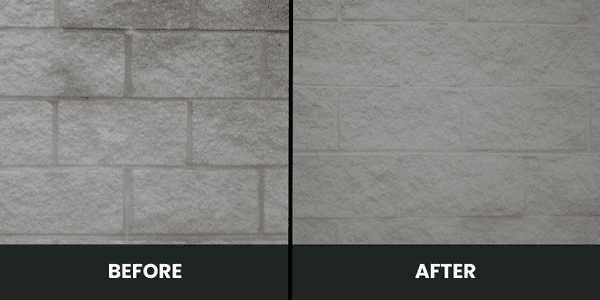
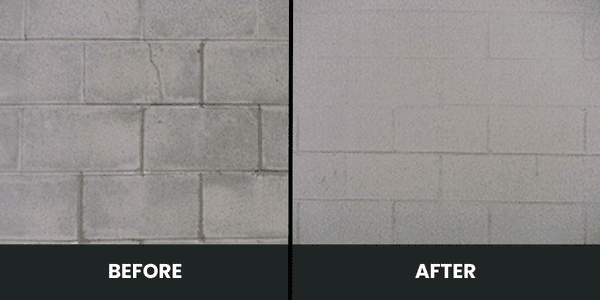
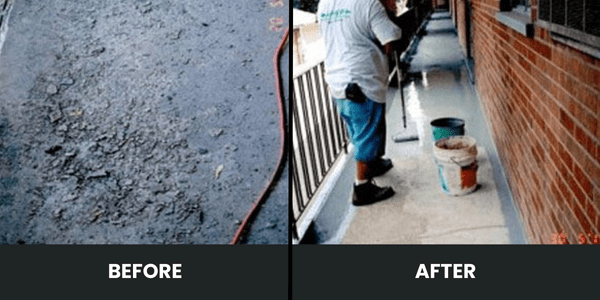
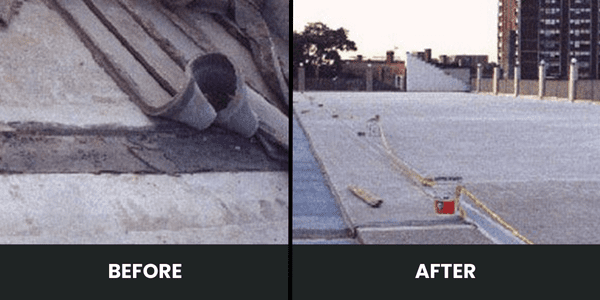
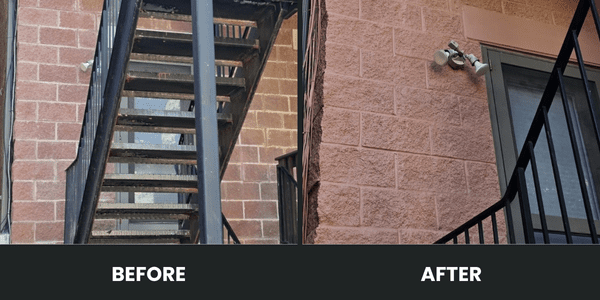
Protect Your Building from Water Damage
Masonry waterproofing applies protective treatments that prevent water from penetrating brick, block, and stone while still allowing moisture vapor to escape. It's preventive maintenance that extends masonry life, prevents costly damage, and protects your entire building from water infiltration.
Water is masonry's biggest enemy. Proper waterproofing stops it before damage starts.
Why Masonry Needs Waterproofing
Water Causes Most Masonry Problems
Freeze-Thaw Damage:
- Water enters masonry
- Freezes in winter
- Expands and cracks material
- Spalls brick faces
- Destroys mortar
Efflorescence:
- Water carries dissolved salts through masonry
- Salts crystallize on surface as white deposits
- Indicates ongoing water movement
- Can damage brick faces
Lintel Corrosion:
- Water reaches steel lintels
- Causes rust and expansion
- Cracks surrounding masonry
- Requires expensive replacement
Interior Damage:
- Leaks through walls
- Ruins interior finishes
- Causes mold growth
- Damages insulation and framing
Structural Deterioration:
Why Masonry Absorbs Water
Masonry is porous:
- Brick absorbs water like a sponge
- Mortar joints allow water penetration
- Cracks and gaps provide entry points
- Natural stone varies in porosity
Without protection, water constantly enters masonry during rain, snow, and humid conditions.
How Waterproofing Works
Breathable Water Repellents
Professional waterproofing uses products that:
Repel liquid water:
- Create water-beading effect
- Prevent water absorption
- Stop rain penetration
- Block weather-driven moisture
Allow vapor transmission:
- Let moisture vapor escape
- Don't trap moisture inside
- Masonry needs to breathe
- Prevents internal deterioration
This is critical. Coatings that seal masonry completely (like paint) trap moisture and cause worse problems.
Penetrating vs. Film-Forming
Penetrating Sealers (What We Use):
- Absorb into masonry pores
- Chemically bond with material
- Don't change appearance significantly
- Allow proper vapor movement
- Last 5-15 years
Film-Forming Coatings (Avoid):
- Sit on surface
- Create visible film
- Often trap moisture
- Peel and fail
- Cause more damage
Silane/Siloxane Technology
Modern waterproofing uses:
- Silane (smaller molecule, deeper penetration)
- Siloxane (larger molecule, surface protection)
- Combined for best performance
- Chemically bonds to masonry
- Excellent longevity
What We Waterproof
Building Walls
All exterior masonry walls benefit:
- Brick facades
- Stone walls
- Block walls
- Panel brick systems
Especially important for:
- Weather-exposed walls
- North-facing walls (stay wet longer)
- Walls with past water problems
Chimneys
Chimneys need waterproofing because:
- Exposed from all sides
- Take maximum weather abuse
- Water entry causes rapid deterioration
- Small surface area makes treatment affordable
Waterproofing extends chimney life significantly.
Foundations
Below-grade masonry waterproofing:
- Prevents basement moisture
- Stops foundation deterioration
- Reduces hydrostatic pressure
- Different products than above-grade work
Parapets and Caps
Horizontal surfaces absorb more water:
- Parapet walls
- Masonry caps
- Window sills
- Any horizontal masonry
New Construction
Waterproofing new masonry:
- Protects from day one
- Prevents future problems
- Easier than fixing damage later
- Smart preventive investment
Our Waterproofing Process
1. Surface Preparation
Waterproofing only works on properly prepared surfaces:
Cleaning:
- Remove dirt, pollution, biological growth
- Power wash when needed
- Clean with appropriate methods
- Allow to dry completely
Repairs:
- Complete tuckpointing first
- Fix cracks and damage
- Replace failed lintels
- Seal expansion joints with caulk
Waterproofing doesn't fix underlying problems. Repair first, then protect.
2. Material Selection
We choose products based on:
- Masonry type (brick, stone, block)
- Exposure conditions
- Existing coatings or treatments
- Aesthetic requirements
- Performance expectations
Not all waterproofing is the same. We use the right product for your situation.
3. Professional Application
Proper technique matters:
- Apply to refusal (flood surface until it won't absorb more)
- Cover all surfaces completely
- Proper coverage rate
- Appropriate weather conditions
- Multiple coats when specified
Weather Requirements:
- Dry masonry (no rain for 24-48 hours before)
- Temperatures 40-90°F
- No rain in forecast for 24-48 hours after
- Appropriate humidity
4. Quality Verification
After application:
- Verify proper coverage
- Check water-beading effect
- Ensure even application
- Document work completed
Benefits of Waterproofing
Prevents Water Damage
The primary benefit:
- Stops water penetration
- Prevents freeze-thaw damage
- Eliminates efflorescence
- Protects lintels
- Keeps interiors dry
Extends Masonry Life
Protected masonry lasts:
- 2-3 times longer between tuckpointing
- Decades longer overall
- Less frequent repairs needed
- Lower long-term costs
Maintains Appearance
Waterproofed buildings:
- Stay cleaner (water carries dirt)
- Less efflorescence staining
- Reduced biological growth
- Better curb appeal
Energy Efficiency
Dry walls provide:
- Better insulation performance
- Lower heating/cooling costs
- Improved comfort
- Reduced HVAC strain
Signs Waterproofing Needs Renewal:
- Water stops beading on surface
- Efflorescence reappears
- Masonry darkens after rain
- Water absorption increases
Test by spraying water. If it soaks in instead of beading, it's time for reapplication.
What Waterproofing Doesn't Do
Doesn't Fix Existing Problems
Waterproofing isn't a repair:
- Won't fix deteriorated mortar (need tuckpointing)
- Won't repair cracked bricks
- Won't stop active leaks from bad flashing
- Won't fix structural issues
Fix problems first, then waterproof.
Doesn't Change Appearance Much
Professional waterproofing:
- Minimal appearance change
- Slight darkening immediately after (fades)
- Not a cosmetic treatment
- Won't cover stains or discoloration
If you want color change, that's different coating (which we don't recommend).
Isn't Permanent
All waterproofing requires:
- Periodic reapplication
- Ongoing maintenance
- Part of building care plan
Budget for reapplication every 7-15 years.
Waterproofing vs. Paint
Don't paint masonry:
Paint causes problems:
- Traps moisture inside
- Accelerates deterioration
- Peels and looks terrible
- Requires ongoing maintenance
- Expensive to remove
Waterproofing is different:
- Penetrates, doesn't film
- Allows breathing
- Minimal appearance change
- Protects without sealing
If someone suggests painting your brick, say no.
Related Services
Waterproofing works with:
- Tuckpointing - Repair mortar, then protect
- Masonry Restoration - Complete restoration with waterproofing
- Chimney Repair - Fix then waterproof chimneys
- Brick Repair - Replace bricks, then protect
- Caulking - Seal joints before waterproofing
- Power Washing - Clean before waterproofing
We coordinate waterproofing with all masonry services.
Common Questions
Will waterproofing change how my building looks? Minimal change. Slight darkening for a few weeks that fades to nearly invisible. Won't dramatically alter appearance.
Can I waterproof over painted brick? Not effectively. Paint prevents penetration. We'd need to remove paint first (expensive and not recommended).
Is waterproofing the same as sealing? Depends on the product. We use breathable penetrating sealers. Avoid non-breathable sealants.
Do I need to waterproof new brick? Yes. New masonry absorbs water. Waterproofing from the start prevents problems.
Can I DIY waterproofing? Product is available, but proper application, surface prep, and material selection require expertise. DIY often wastes money on improper application.
Does waterproofing void brick warranty? No, proper breathable waterproofing doesn't void brick warranties. Paint does.
Why Choose Arrow Masonry
50+ Years of Experience
We know which products work and how to apply them correctly.
Professional-Grade Materials
We use commercial products that last 2-3 times longer than consumer options.
Proper Preparation
We don't waterproof over problems. We fix issues first, then protect.
Complete Service
We handle repairs, cleaning, and waterproofing as one coordinated project.
See our work and read reviews.
Get Your Free Waterproofing Estimate
We'll assess your masonry, recommend appropriate waterproofing, and provide a detailed quote.
Call: (847) 776-6400
Serving Chicagoland with professional waterproofing services.
Learn more about Arrow Masonry.
Professional waterproofing since 1972. Protecting your masonry investment.
Waterproofing F.A.Q.s
If your brick building experiences water penetration during wind driven rain and your exterior components (i.e. roof, gutters, downspouts) are functioning properly chances are likely that waterproofing is essential.
Absolutely not. The silane based products we use will not create any visible distinctions to your brick. The effects of our sealants are only apparent after a rainfall, as the water will bead up and roll off the brick surface. Other sealants can leave a cloudy residue or a shiny film on your masonry so beware.
The typical maintenance cycle is 5 years. Bear in mind that when you do reapply, the new sealant must be compatible with the previous application. Otherwise a chemical reaction could take place, which would leave a nasty coating on your bricks.
A good waterproofing agent will not only reduce the ingress of water and water-born contaminants, but it will also curtail the deteriorating effects of these contaminants, such as steel membrane corrosion, spalling of brick, efflorescence, leaching and staining. Waterproofing is highly recommended on sandblasted brick or any other porous substrate.