Arrow Masonry

Professional Stone Restoration Services
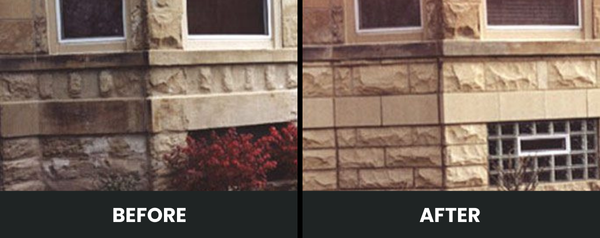
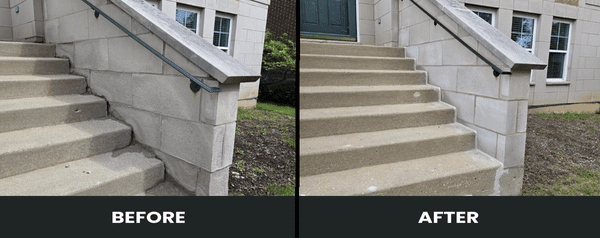
"Limestone, Renaissance stone, Cultured stone, Sandstone, Terra Cotta are different types of stone facades that Arrow repairs and replaces."

Chicagoland Tuckpointing And Masonry Repair

Servicing all your masonry restoration needs while preserving your building's cosmetic appeal...

Our Services Include:

Professional Stone Restoration Services
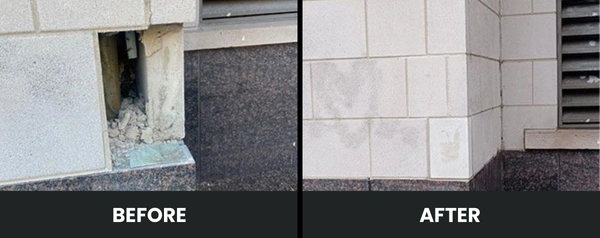
Exterior Stone Restoration Services in Palatine, IL

Arrow Masonry & Exteriors Inc. provides exterior stone restoration in Palatine, IL, from our local office at 515A S. Vermont St., Suite A. We repair deteriorating limestone, sandstone, cast stone, and architectural masonry on residential, commercial, and historic buildings throughout the Chicago suburbs.

Northern Illinois winters expose exterior stonework to repeated freezing and thawing. Water entering cracked mortar joints, limestone window sills, and parapet coping can freeze, expand, and fracture the surrounding material. Over time, small defects can develop into loose masonry, interior leaks, and damaged structural supports.

Our stone restoration services address both the visible deterioration and the conditions contributing to it. We assess stone facades, identify moisture entry points, repair damaged architectural elements, and recommend replacement where the remaining material cannot be safely preserved. We specialize in exterior building masonry, including facades, window surrounds, parapets, columns, and architectural details. Our services do not include interior stone floor polishing or countertop refinishing.

Request an On-Site Stone Restoration Assessment

Comprehensive Stone Restoration Services We Provide

Exterior stone restoration requires repair methods suited to the material, its structural function, and the source of deterioration. A limestone window sill exposed to standing water requires a different approach from a displaced sandstone facade block or cracked granite entrance surround.

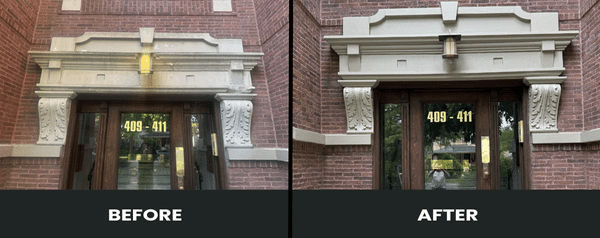
Dutchman Stone Repairs and Architectural Stone Patching

A Dutchman repair replaces a damaged portion of an otherwise sound stone unit without removing the entire block. The deteriorated section is carefully cut away, creating a defined opening for a new stone insert. Replacement material is selected to match the original stone’s color, texture, grain, and natural bedding orientation.

The insert is shaped to fit the opening and secured using compatible bonding materials or mechanical anchors where the design requires them. Dutchman repairs may be appropriate for chipped limestone corners, damaged window surrounds, ornamental features, and localized stone loss. Smaller surface defects may be repaired using mineral-based patching mortars selected for compatible strength, porosity, and appearance.

Structural Stone Pinning and Stabilization

Cracked or displaced architectural stone sometimes requires stabilization rather than surface patching. Where the remaining stone is suitable for repair, a designed pinning system may use stainless steel or fiberglass reinforcement installed across the damaged section with an appropriate anchoring resin. The repair must account for the stone’s remaining thickness, load path, existing anchors, and movement within the surrounding masonry.

Where cracks indicate failed support steel or substantial structural displacement, the underlying problem must be corrected before cosmetic repairs begin.

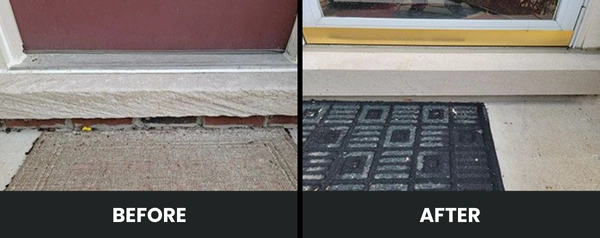
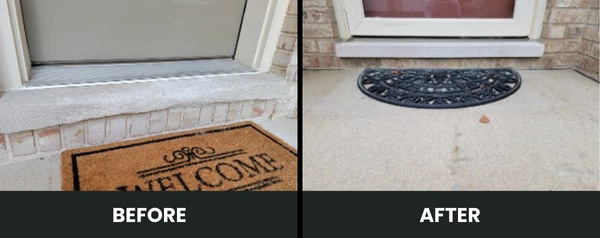
Stone Sill, Coping, and Capstone Replacement

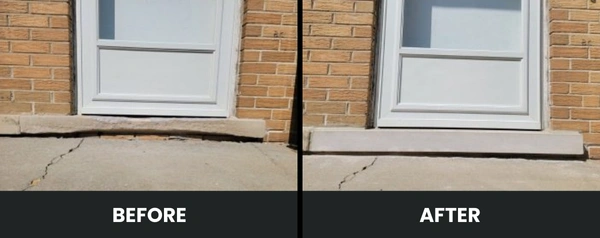
Limestone window sills, parapet coping stones, and wall capstones form exposed parts of a building’s water-management system. When these elements crack, shift, or lose their protective edges, water can enter the masonry beneath them. Our restoration assessments examine:
  • Cracked or deteriorating limestone window sills
  • Open joints between parapet coping stones
  • Damaged capstones and projecting stone ledges
  • Missing or ineffective drip edges
  • Deteriorated flashing beneath coping and window openings
  • Loose or displaced architectural units
Depending on the building design, replacement work may include correctly formed drip edges, compatible through-wall flashing, and movement joints with appropriate sealants. A replacement stone should restore the original architectural appearance while correcting the defects that allowed moisture to enter.

Historic Stone Repointing and Mortar Joint Restoration

Mortar joints protect the spaces between stone units while accommodating limited movement and moisture transfer. Older limestone and sandstone buildings may contain comparatively soft mortar that performs differently from modern high-strength Portland cement mixes. Installing mortar that is too hard or insufficiently permeable can contribute to deterioration of the adjoining stone.

Historic stone repointing begins with an assessment of the existing mortar’s composition, hardness, aggregate, joint profile, and condition. Deteriorated mortar is removed to a depth appropriate for the joint geometry and condition, commonly around 3/4 to 1 inch where sufficient joint depth exists. Removal methods must protect the stone edges.

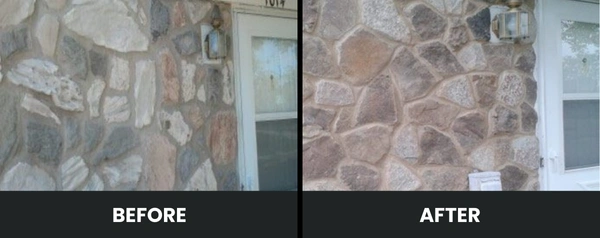
Replacement mortar is selected to match the physical behavior and appearance of the existing masonry. Depending on the building, a lime-putty or natural hydraulic lime formulation may be appropriate. Our related tuckpointing services address deteriorated mortar joints in stone and brick masonry.

Non-Abrasive Exterior Stone Cleaning

Atmospheric pollution, biological growth, mineral deposits, and previous repairs can leave exterior stone surfaces stained or discolored. Cleaning must account for the stone’s mineral composition, porosity, and current condition. Depending on the material and type of soiling, appropriate methods may include low-pressure water, controlled steam, soft brushes, or carefully selected chemical cleaning systems and poultices.

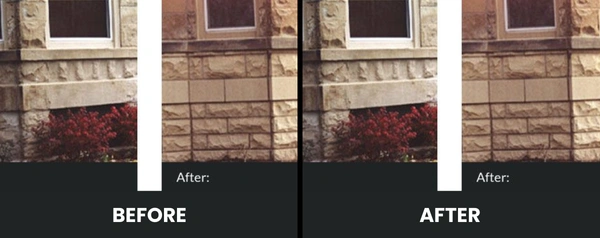
Cleaning trials help establish whether a method removes unwanted deposits without damaging the original stone surface. Abrasive sandblasting and aggressive high-pressure cleaning can permanently remove historic surface material and accelerate deterioration. Some deposits should remain untreated when their removal would cause greater damage than leaving them in place.

Vapor-Permeable Stone Protection

Water-repellent treatments may help reduce rainwater absorption in suitable exterior masonry after underlying defects have been corrected. Certain silane- and siloxane-based treatments can reduce liquid-water penetration while permitting water vapor transmission. However, these products are not substitutes for sound flashing, correctly detailed coping, or properly repaired mortar joints.

Before recommending treatment, the stone’s absorption characteristics, moisture conditions, previous coatings, and preservation requirements must be assessed. Some historic masonry should remain untreated. The appropriate decision depends on the building rather than a blanket recommendation to seal every surface.

Substrates We Restore: Material-Specific Stone Repair

Different stone types respond differently to water, thermal movement, mechanical stress, and previous repair materials.

Stone or masonry material


Common deterioration


Potential restoration approach


Indiana limestone


Surface erosion, sulfate-related crusts, cracks, spalling


Compatible mortar, localized Dutchman inserts, selective replacement


Sandstone


Separation along bedding planes, flaking, loss of surface material


Stabilization, selective pinning, compatible repairs, replacement


Granite


Movement-related cracks, joint displacement, failed sealants


Joint repair, stabilization, appropriately designed movement joints


Architectural terra cotta


Glaze crazing, fractured units, deteriorated anchorage


Anchorage investigation, compatible unit repairs, selective replacement


Cast stone


Cracking, reinforcement corrosion, surface deterioration


Mineral-based patching, reinforcement correction, matching replacement units


Indiana Limestone Restoration

Indiana limestone is commonly found in window sills, building entrances, coping, ornamental trim, and architectural facades around Chicagoland. Its natural porosity makes correct water management especially relevant. Prolonged moisture exposure, salt deposits, and incompatible mortar repairs can contribute to surface breakdown.

Restoration may involve replacement of damaged sections, compatible joint repairs, or conservation of otherwise sound original material.

Sandstone Restoration

Sandstone contains natural bedding layers that can separate after prolonged moisture exposure and repeated freezing. A surface patch may fail when the underlying stone continues to delaminate. Where deterioration affects the depth or integrity of the block, stabilization or selective replacement may provide a more suitable repair.

Granite Restoration

Granite generally resists weathering well, but its hardness does not prevent movement-related cracks, failed joints, or damage caused by surrounding structural components. Repair decisions should account for the cause of movement and whether the affected stone remains properly supported.

Architectural Terra Cotta and Cast Stone

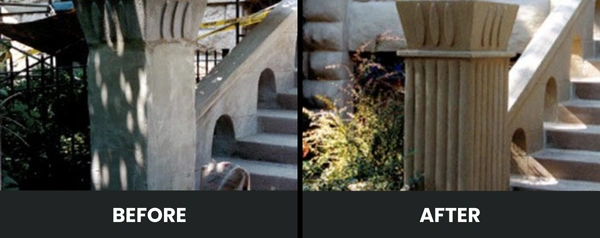
Architectural terra cotta and cast stone often appear in decorative commercial facades, cornices, window surrounds, and older buildings. These manufactured materials require separate assessments because their internal construction and deterioration mechanisms differ from those of natural limestone. Corroded metal anchors, deteriorated reinforcement, and incompatible past repairs may require more than a surface patch.

Diagnosing Exterior Stone Deterioration in Northern Illinois

Exterior stone damage often develops gradually before individual units become unstable or water reaches occupied interior spaces.

Freeze-Thaw Damage and Stone Spalling

Water expands by approximately 9% in volume when it freezes. Within a saturated or poorly draining stone, repeated freezing can contribute to internal pressure and progressive cracking. The amount of damage depends on the stone’s pore structure, moisture saturation, temperature conditions, and ability to release water.

Common symptoms include flaking surfaces, loose fragments, cracked corners, and pieces separating from limestone or sandstone faces.

Corroded Steel Supports and Rust Jacking

Older masonry facades may contain steel lintels, shelf angles, anchors, and embedded reinforcement. When moisture reaches inadequately protected steel, corrosion products occupy more space than the original metal. The resulting pressure can crack or displace surrounding masonry.

Rust-jacking damage may appear as horizontal cracks above windows, displaced stone blocks, staining, or failed joints near structural steel. Where corroded support steel causes masonry movement, replacing mortar alone will not correct the defect. Our lintel replacement services address deteriorating steel supports associated with masonry openings.

Warning Signs Property Owners Should Watch For

Buildings in Palatine, including commercial properties along Northwest Highway, Palatine Road, and Rand Road, may exhibit these warning signs:
  • Limestone surfaces breaking away in flakes or pieces
  • Stair-step cracking around masonry openings
  • White mineral deposits on stone or adjacent brickwork
  • Open joints between parapet coping stones
  • Rust staining near lintels and embedded anchors
  • Water stains beneath windows or along interior perimeter walls
  • Loose or visibly displaced facade blocks
Efflorescence and staining indicate moisture movement, but they do not identify the source on their own. An inspection should consider flashing, masonry joints, roof transitions, drainage, and concealed supports before selecting repairs.

Stone Repair vs. Replacement: How We Assess the Difference

Damaged stone does not always require complete removal. Preserving original architectural material may be preferable when it remains sound and can be repaired without compromising safety. The decision depends on the type of damage and the stone’s function within the building.

When Stone Repair May Be Appropriate

Localized chips, superficial spalling, deteriorated mortar joints, and certain stable cracks may be repairable. An assessment considers the depth of deterioration, whether cracks remain active, and how much sound material remains. A shallow surface defect is different from delamination that extends through a substantial portion of the unit.

When Stone Replacement May Be Necessary

Replacement may be recommended when a stone has extensive internal fractures, severe layered separation, inadequate remaining support, or deterioration that compromises its load-bearing function. The condition of the backup masonry and embedded steel connections also affects the decision. For historic buildings, replacement material should closely match the original stone’s physical characteristics and appearance. Quarry availability, bedding orientation, custom fabrication, and architectural detailing can influence the final approach.

Our 6-Phase Stone Restoration Process

1. Initial Inspection and Moisture Assessment

We review the exposed stonework, mortar joints, visible cracks, support conditions, and likely water-entry points. The assessment identifies areas requiring closer investigation and helps distinguish surface deterioration from possible structural damage.

2. Material Testing and Repair Planning

For projects requiring additional investigation, mortar sampling, stone testing, and trial repairs may be specified. Historic properties may also require consultation with preservation professionals and approval of proposed materials or repair samples.

3. Controlled Cleaning and Defect Exposure

Suitable cleaning methods remove selected deposits and expose damaged areas for closer examination. The process must avoid unnecessary loss of original stone surfaces and architectural detail.

4. Stone Repair, Pinning, or Selective Replacement

Work proceeds according to the approved scope. Repairs may involve stabilizing loose stone, installing matching inserts, resetting displaced units, or replacing deteriorated architectural components. Structural support repairs are coordinated where required.

5. Mortar Joint Restoration and Finishing

Deteriorated joints are carefully prepared and repointed with mortar appropriate for the existing masonry. Joint profiles, surface textures, and repair finishes are matched to the surrounding work as closely as practical.

6. Final Review and Maintenance Recommendations

Completed work is reviewed for workmanship, material compatibility, and the agreed repair scope. Where suitable, specified protective treatments are applied after necessary curing and surface preparation. Maintenance recommendations address the inspection of joints, coping, flashing, and other exposed masonry details.

For preservation-sensitive projects, repair specifications can reference the Secretary of the Interior’s Standards and relevant National Park Service Preservation Briefs.

What Determines the Cost of Stone Restoration in Palatine?

Stone restoration costs depend on the building, the material, and the cause of damage. A single damaged limestone sill has different repair requirements from an entire commercial facade with deteriorated stone units and concealed steel corrosion. The main estimating factors include:
  • Access and site conditions: Building height, scaffolding, swing stages, sidewalk protection, and work around occupied properties.
  • Stone type and availability: Standard stone dimensions, custom fabrication, matching quarry material, and architectural detailing.
  • Extent of deterioration: Localized patching, joint repairs, full-unit replacement, or stabilization work.
  • Concealed defects: Deteriorated anchors, corroded lintels, damaged flashing, and compromised backup masonry.
  • Permits and project requirements: Applicable municipal approvals, structural engineering, historic preservation requirements, and site safety provisions.
An on-site assessment helps determine which repairs are necessary and whether additional investigation is appropriate before a final proposal is prepared. For condominium associations and commercial property managers, the proposed scope should distinguish immediate safety concerns from repairs that can be scheduled as part of planned maintenance.

Schedule a Stone Restoration Assessment in Palatine, IL

Cracked limestone, deteriorating coping, and loose architectural stone deserve attention before further moisture exposure makes repairs more extensive. Arrow Masonry & Exteriors Inc. provides exterior stone masonry assessments and restoration services for homeowners, HOA boards, property managers, and commercial building owners across Palatine, Arlington Heights, Schaumburg, Barrington, Chicago, and surrounding communities.

Contact our team to discuss the affected stonework, building conditions, and the next steps toward a repair proposal.

Palatine Office

515A S. Vermont St., Suite A
Palatine, IL 60067
Chicago Office

300 N. State St., Suite 3504
Chicago, IL 60654

Frequently Asked Questions About Stone Restoration

In some cases, yes. A localized crack or damaged section may be suitable for patching, a stone insert, or another compatible repair without dismantling the adjacent brickwork. However, a severely fractured or unstable sill may require full replacement. Access to the sill’s bedding and flashing can determine whether some adjoining masonry must be temporarily removed.

An inspection is necessary to establish the repair method.
High-strength Portland cement mortar can be harder and less permeable than the original mortar used with some historic stonework. This mismatch can restrict moisture movement and place stress on softer masonry during thermal expansion or structural movement. As a result, the stone may deteriorate while the replacement mortar remains intact.

The appropriate mortar depends on the original construction. Portland cement is not universally unsuitable, but its composition and strength must be compatible with the masonry.
The first step is to identify how moisture enters and remains within the stone. Common causes include failed coping joints, cracked mortar, poor drainage, missing flashing, and earlier repairs that restrict drying. Treatment may involve correcting water-entry points, replacing failed joints, stabilizing repairable stone, or replacing extensively deteriorated material.

Water repellents may be considered after moisture defects have been corrected and the stone has been assessed for treatment compatibility.
Arrow Masonry & Exteriors Inc. identifies itself as a licensed, bonded, and insured masonry contractor. Commercial property owners and condominium associations should request current insurance certificates, applicable license information, and project-specific warranty terms before work begins.

Warranty coverage depends on the contract, repair methods, materials, and conditions of the existing building. Any workmanship coverage, exclusions, and manufacturer warranties should be documented in the written proposal.

Not always. Repointing restores deteriorated mortar joints, but water may also enter through damaged flashing, open coping joints, failed window seals, or cracks in the stone itself. Where these other defects exist, repointing alone may leave the original source of leakage unresolved.

Matching considers stone type, color, grain, bedding orientation, texture, dimensions, and weathered appearance. Historic stone may require quarry sourcing, custom cutting, or trial samples before replacement. A matching stone should also have physical properties suitable for the existing wall and its exposure conditions.

Scroll to Top