
Professional Panel Brick Repair Services
"Panel Brick or Thin Brick is a common type of masonry façade designed to replicate the appearance of traditional brick walls but without the associated cost of traditional full- sized brick"
Chicagoland Tuckpointing And Masonry Repair
Servicing all your masonry restoration needs while preserving your building's cosmetic appeal...
Our Services Include:
Tuckpointing
Masonry Restoration
Brick Repair
Stone Restoration
Lintel Replacement
Panel Brick Repair
Chimney Repair
Caulking
Waterproofing
Power Washing
Professional Panel Brick Repair Services
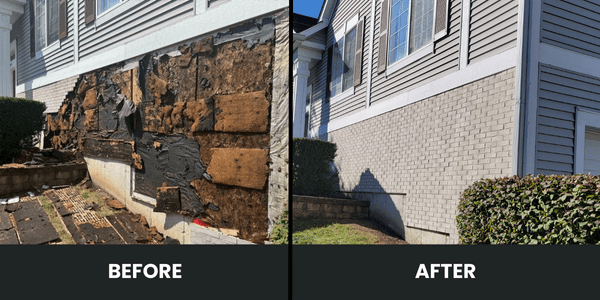
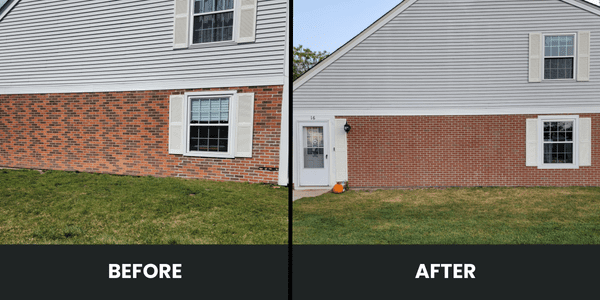
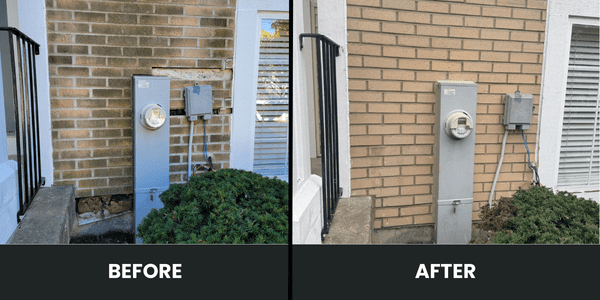
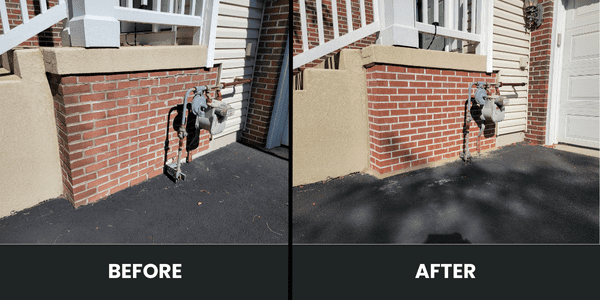
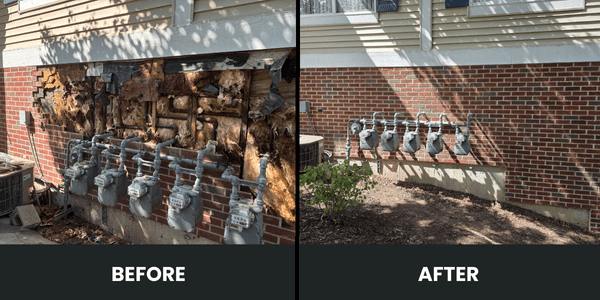
Expert Repair for Brick Veneer Panel Systems
Panel brick repair fixes the unique problems that affect brick veneer panel systems common in mid-century buildings. Unlike traditional solid masonry, these systems use thin brick panels attached to structural frames. When they fail, panels can bow, crack, or even fall off the building, creating serious safety hazards.
If your building has brick veneer panels showing cracks, separation, or bowing, you need specialized repair from masons who understand these systems.
What Are Brick Veneer Panels?
Brick veneer panels (also called panel brick or cavity wall systems) were popular construction methods from the 1960s-1990s. Instead of solid brick walls, these systems feature:
Thin brick faces (typically 2-4 inches) attached to:
- Steel or concrete structural frames
- Backing materials (concrete block, metal studs)
- Air cavity for drainage and insulation
- Mechanical anchoring systems
This construction is fundamentally different from traditional solid masonry. It requires different repair approaches.
Common in:
- Mid-century apartment buildings
- Condominiums from 1960s-1980s
- Commercial buildings
- Institutional structures
- Multi-story buildings
How Panel Systems Fail
Anchor Failure
Brick panels are held to the backing structure by metal anchors or ties. These fail when:
- Steel anchors corrode and break
- Weep holes get clogged, trapping water
- Water infiltration causes rust
- Original anchors were undersized
- Installation was improper
When anchors fail, panels lose support and become unstable.
Panel Bowing or Bulging
Unsupported panels bow outward because:
- Failed anchors no longer restrain them
- Thermal expansion pushes panels out
- No proper expansion joints
- Water pressure from behind
- Original design flaws
Bowing panels are dangerous and get progressively worse.
Crack Development
Panels crack from:
- Structural movement
- Thermal stress
- Anchor failure putting stress on brick
- Water infiltration and freezing
- Settlement
Cracks compromise panel integrity and let water in.
Spalling and Deterioration
Brick faces deteriorate when:
- Water gets trapped behind panels
- Freeze-thaw cycles damage brick
- Drainage systems fail
- Mortar joints break down
- Poor quality brick was used
Complete Panel Failure
In severe cases:
- Entire panels separate from building
- Sections collapse or fall
- Immediate safety hazard
- Emergency repair required
This is why panel problems need attention before they become critical.
Our Panel Brick Repair Process
1. Engineering Assessment
Panel systems often require structural engineering:
- Determine extent of anchor failure
- Calculate panel loads and support needs
- Design appropriate repair methods
- Ensure code compliance
- Document conditions
We work with structural engineers when needed.
2. Access and Safety
Multi-story panel repairs require:
- Proper scaffolding or swing stages
- Safety measures for workers and public
- Protection for areas below
- Permit acquisition
- Insurance compliance
3. Panel Stabilization
Before permanent repair:
- Unstable panels are temporarily supported
- Dangerous sections are secured
- Safety hazards are eliminated
- Access for repair work is established
4. Anchor Replacement or Reinforcement
Methods depend on conditions:
Individual anchor replacement:
- Remove damaged brick sections
- Install new stainless steel anchors
- Re-brick with proper ties
- Tuckpoint and finish
Panel through-bolt systems:
- Drill through panel and backing
- Install stainless steel through-bolts
- Anchor panels securely to structure
- Seal penetrations properly
- Provide proper drainage
External retention systems:
- Install steel angle or channel supports
- Attach to structural frame
- Support bottom of panels
- Allow for thermal movement
- Finish to match building
5. Drainage Improvement
Critical for panel systems:
- Clear clogged weep holes
- Install new weeps if needed
- Ensure cavity drainage
- Add flashing where missing
- Prevent water accumulation
6. Tuckpointing and Sealing
After structural repairs:
- Repoint all deteriorated mortar joints
- Use appropriate mortar type
- Match existing joints
- Ensure proper tooling
- Caulk expansion joints
7. Waterproofing
Often recommended:
- Breathable water repellents
- Protect panel systems from water
- Allow moisture vapor to escape
- Extend system life
Panel Repair vs. Replacement
When Panels Can Be Repaired:
- Anchor failure in limited areas
- Structural backing is sound
- Brick face is in good condition
- Bowing is moderate and stabilizable
- Cost-effective compared to replacement
Repair methods:
- Anchor replacement
- Through-bolt systems
- Support angle installation
- Tuckpointing and drainage
When Panels Need Replacement:
- Extensive anchor failure throughout
- Severe bowing or panel failure
- Brick face severely deteriorated
- Backing structure compromised
- Safety concerns that can't be repaired
Replacement options:
- New brick veneer panel system
- Traditional brick repair methods
- Alternative cladding systems
- Depends on building and budget
We'll evaluate your specific situation and recommend the most appropriate solution.
Panel Systems vs. Solid Masonry
Understanding the difference matters:
Solid Masonry (Traditional):
- Thick walls (8-12+ inches)
- Self-supporting
- Weight-bearing
- Repairs focus on mortar and brick
- Tuckpointing is primary maintenance
Panel Systems (Veneer):
- Thin brick face (2-4 inches)
- Hung on structural frame
- Non-load bearing
- Repairs focus on anchors and drainage
- Anchor failure is primary concern
Don't assume what works for solid masonry works for panels. They're completely different systems requiring specialized knowledge.
Common Buildings with Panel Systems
Apartment Buildings
1960s-1980s mid-rise and high-rise apartments commonly used panel systems:
- 3-6 story garden apartments
- High-rise towers
- Condominium buildings
- Mixed-use developments
Commercial Buildings
Office buildings and commercial structures:
- Strip malls and shopping centers
- Office parks
- Institutional buildings
- Schools and universities
Signs Your Building Has Panels:
- Built between 1960-1990
- Brick face looks relatively thin
- Visible weep holes at regular intervals
- Expansion joints between sections
- Uniform appearance with regular patterns
Not sure? We can determine your wall construction during inspection.
Condo Associations and Panel Repairs
Panel brick repair is common for condo associations:
Special Considerations:
Liability concerns:
- Falling brick creates serious risk
- Association liability if someone is injured
- Board has fiduciary duty to maintain
- Insurance may require repairs
Funding challenges:
- Large unexpected expenses
- Special assessments often needed
- Reserve funds may be inadequate
- Payment planning options
Communication needs:
- Unit owner notifications
- Explaining urgency and costs
- Regular progress updates
- Transparency about work
We work with condo associations regularly and understand these unique challenges. We provide:
- Clear documentation for board meetings
- Detailed proposals boards can present
- Payment schedules that help with financing
- Communication materials for owners
Prevention and Maintenance
Regular Inspections:
Annual inspections should look for:
- Cracks or movement in brick
- Bowing or bulging panels
- Rust stains indicating anchor corrosion
- Failed or missing mortar
- Clogged weep holes
Preventive Maintenance:
- Keep weep holes clear
- Maintain tuckpointing
- Caulk expansion joints
- Address drainage problems
- Fix roof and gutter issues
Professional Assessments:
Every 5-10 years, get professional engineering assessment:
- Evaluate anchor condition
- Assess panel stability
- Identify developing problems
- Plan for future maintenance
- Budget for repairs
Related Services
Panel brick repair often requires:
- Tuckpointing - Mortar joint repair on panels
- Brick Repair - Replacing damaged brick faces
- Caulking - Sealing expansion joints and details
- Waterproofing - Protecting panel systems from water
- Masonry Restoration - Complete building restoration
We coordinate all aspects of panel repair.
Common Questions
How do I know if I have panel brick or solid masonry? We can determine this during inspection. Panel systems are generally thinner, have regular weep holes, and were built 1960-1990.
Are panel systems dangerous? When maintained, they're safe. When anchors fail and panels bow significantly, they can become dangerous. That's why regular inspection matters.
Can you just tuckpoint panel brick? Tuckpointing helps but doesn't fix anchor failure. If anchors are failing, tuckpointing alone won't solve the structural problem.
How long do panel repairs last? With proper anchor replacement using stainless steel, repairs last 50+ years.
Do all the panels need work? Not always. We assess each section and repair only what's failing, though sometimes preventive work on adjacent areas makes sense.
Is engineering required? For significant anchor failure or bowing panels, yes. We work with structural engineers regularly.
Why Choose Arrow Masonry
Panel System Expertise
Panel brick is different from solid masonry. We understand these systems and how to repair them properly.
Structural Knowledge
Panel repairs are structural work. We know anchor systems, loads, and proper repair methods.
Engineering Coordination
We work with structural engineers when needed and follow their specifications exactly.
50+ Years Serving Chicagoland
We've repaired panel systems in hundreds of buildings throughout the area.
Complete Service
From assessment to final waterproofing, we handle every aspect.
See our work and read reviews.
Get Your Free Panel System Assessment
We'll evaluate your brick veneer panels, identify problems, and provide a detailed repair proposal.
Call: (847) 776-6400
Serving Chicagoland with professional panel brick repair services.
Learn more about Arrow Masonry.
Professional panel brick repair since 1972. Specialized expertise for veneer systems.
Panel Brick Repair F.A.Q.s
There are several signs that indicate your building may need panel brick repair:
Delamination: If you notice the panel brick veneer separating or peeling away from the underlying surface, this is a clear sign repair is needed.
Warping: Any visible bowing or warping of the panel brick sections indicates potential water damage and the need for repair.
Detachment: Loose or fallen panel bricks are a definite sign that repair is required to prevent further damage.
Water infiltration: Look for signs of moisture or water stains on interior walls behind panel brick areas, which suggests water is getting behind the veneer.
Deteriorating seals: Check for cracked, missing, or deteriorated sealant around panel brick sections, especially at transitions and joints.
Mold growth: The presence of mold on or behind panel brick can indicate moisture issues requiring repair.
Cracks: Visible cracks in the panel brick or mortar joints may allow water intrusion and should be addressed.
Discoloration: Unusual staining or discoloration of the panel brick surface can signify underlying moisture problems.
If you notice any of these issues, it’s best to have a professional inspect your panel brick veneer to determine the extent of damage and necessary repairs. Addressing problems early can prevent more extensive and costly damage to your building’s structure.
Several factors can lead to panel brick damage:
Water infiltration: Moisture seeping behind panels can weaken adhesive bonds and cause delamination.
Freeze-thaw cycles: Water trapped in brick pores can freeze and expand, leading to cracking or spalling.
Settlement: Building movement can cause stress on panel brick, resulting in cracks or separation.
Poor installation: Improper adhesive application or inadequate support can lead to premature failure.
Thermal expansion: Temperature fluctuations can cause brick panels to expand and contract, potentially leading to cracks or warping.
Impact damage: Physical trauma from objects striking the panels can cause localized damage.
Efflorescence: Salt deposits can form on the surface, indicating moisture issues within the wall system.
Age and weathering: Over time, exposure to the elements can degrade both the brick and mortar.
Identifying the root cause of damage is crucial for determining the most effective repair strategy and preventing future issues.
To enhance the waterproofing of your panel brick facade:
Apply a high-quality masonry sealer: Use a breathable, silane/siloxane-based sealer to repel water while allowing vapor transmission.
Repoint deteriorated mortar joints: Remove and replace damaged mortar to prevent water infiltration.
Install or repair flashing: Ensure proper flashing is in place at all transitions, corners, and openings.
Clear and maintain weep holes: Keep weep holes open to allow water drainage from behind the brick panels.
Address any cracks promptly: Seal small cracks with a flexible masonry caulk to prevent water entry.
Improve drainage: Ensure proper grading around the building to direct water away from the foundation.
Clean gutters and downspouts: Prevent water overflow that can saturate brick panels.
Consider adding a rainscreen system: For severe cases, installing a drainage plane behind the brick panels can significantly improve moisture management.
Regularly inspect and maintain: Conduct annual inspections to catch and address potential issues early.
Consult a professional: For complex waterproofing issues, seek advice from a masonry specialist or building envelope expert.
Remember that proper waterproofing is essential for preserving the integrity and appearance of your panel brick facade over time.