Arrow Masonry

Professional Masonry Power Washing Services

"In addition to tuckpointing and masonry repair, Arrow Masonry also provides cleaning services for brick and stone."

Chicagoland Tuckpointing And Masonry Repair

Servicing all your masonry restoration needs while preserving your building's cosmetic appeal...

Our Services Include:

Professional Masonry Power Washing Services

Masonry Power Washing in Palatine, IL

Arrow Masonry & Exteriors Inc. provides professional masonry power washing and exterior brick cleaning in Palatine, Illinois, and the surrounding Chicago suburbs. Operating from 515 S. Vermont St., Suite A, our company works with homeowners, condominium associations, and commercial property managers who need dirt, staining, and biological growth removed from brick, stone, and concrete masonry without unnecessary damage to the original materials.

Cleaning masonry requires a different approach from washing siding, driveways, or other exterior surfaces. Brick faces can deteriorate under excessive water pressure, older mortar joints may become dislodged, and certain natural stones are sensitive to both mechanical abrasion and cleaning chemicals. We approach exterior masonry cleaning as a surface-specific maintenance service, with the cleaning method determined by the condition of the material and the nature of the deposits being removed.

Northern Illinois weather adds another consideration. Masonry surfaces around Palatine experience seasonal rain, snow, and freezing temperatures, making it important to identify loose mortar, open joints, and existing water-entry conditions before introducing additional water. An assessment helps determine whether cleaning can proceed safely or whether masonry repairs should be addressed first.

Request a Masonry Cleaning Assessment: (847) 776-6400

Specialist Brick and Stone Cleaning vs. General Power Washing

Professional masonry cleaning involves more than selecting a pressure setting and directing water toward a wall. The type of brick, condition of the mortar, previous coatings, and age of the construction all affect how the surface responds. A method suitable for dense concrete masonry may damage older clay brick or an architectural limestone facade.

Historic Chicago common brick and older masonry assemblies deserve particular attention because their materials may be softer or more porous than contemporary products. Excessive pressure can abrade brick faces, remove weakened mortar, and force water into cracks or joints. The National Park Service identifies nozzle design, water flow, operating distance, and pressure as important variables when evaluating water-based cleaning methods.

Controlled masonry cleaning uses an appropriate combination of water, cleaning agents, contact time, and mechanical action. Some surfaces may be suitable for carefully controlled low-pressure rinsing, while others require a gentler method or may not be suitable for water cleaning at all. Testing a small representative area helps establish whether the proposed treatment removes deposits without unacceptable changes to the masonry.

Masonry Surfaces We Assess

  • Historic Chicago brick: Evaluate brick hardness, surface condition, and mortar integrity before selecting a washing method.
  • Contemporary clay brick: Assess staining, mortar condition, and compatibility with proposed cleaning products.
  • Indiana limestone and architectural stone: Consider the stone’s surface finish, porosity, and sensitivity to cleaning agents.
  • Sandstone and granite: Evaluate the individual stone and its condition rather than assuming one cleaning process suits both.
  • Concrete masonry units: Review the block surface, joints, and deposits before selecting an appropriate method.
  • Pavers and retaining walls: Determine whether washing is suitable for the surface and whether joint materials or adjoining construction require protection.
For deteriorated stonework that needs more than cleaning, our stone facade restoration services address damaged architectural masonry.

Contaminants We Remove from Palatine Building Exteriors

Exterior masonry collects different types of contamination depending on its location, orientation, surrounding environment, and exposure to moisture. General atmospheric dirt may respond to a relatively straightforward cleaning procedure, while rust, biological growth, and mineral deposits can require different methods. Correctly identifying the stain before treatment reduces the risk of applying an unsuitable cleaning agent or using unnecessary pressure.

Atmospheric Dirt, Smog and Carbon Soot

Buildings exposed to traffic emissions and airborne particles can gradually develop dark surface deposits. These deposits may accumulate around window sills, ledges, architectural projections, and textured brick faces where rainwater does not wash them away evenly. The result can be a facade with visibly uneven discoloration, particularly on elevations exposed to surrounding roads and urban activity.

Cleaning may improve the appearance of affected masonry, but the appropriate method depends on the surface and the character of the deposits. Some contamination can be removed with controlled water rinsing, while more persistent deposits may require a compatible cleaning product and carefully established dwell time. Older brick and stone should be tested before extensive cleaning begins.

Algae, Moss and Biological Growth

Biological growth may develop on masonry that remains damp for extended periods, particularly in shaded areas where surfaces dry slowly. Algae and moss can collect around retaining walls, lower facade sections, and other moisture-prone locations. The visible growth may be accompanied by accumulated debris or staining that requires a different treatment from ordinary dirt.

A suitable cleaning method should consider both the organism and the condition of the masonry beneath it. The objective is to remove or reduce the unwanted growth without damaging the substrate or surrounding materials. If persistent moisture is contributing to recurrence, the underlying conditions should also be investigated rather than relying entirely on repeated washing.

Efflorescence and Mineral Deposits

Efflorescence appears when moisture transports soluble salts through masonry and deposits them on the surface as the water evaporates. These deposits can appear as white or pale crystalline staining on brick, concrete masonry, and mortar joints. The Brick Industry Association’s Technical Note 23A explains the relationship between moisture movement and soluble salts, making it important to identify the source of water before recommending repeated cleaning.

Removing surface deposits does not necessarily prevent efflorescence from returning. If water continues entering through damaged flashing, deteriorated mortar, or another defect, salts may continue migrating toward the exterior. A masonry inspection should therefore distinguish between cleaning the existing deposits and correcting the conditions responsible for their formation.

Rust Stains and Construction Residue

Rust-colored staining may develop around metal components exposed to moisture, while mortar smears and construction residues can remain on brick after building or repair work. These deposits do not all respond to the same cleaning chemicals, and aggressive removal methods can affect the surrounding masonry. Stain identification and product compatibility are especially important where architectural brick or natural stone must be preserved.

A test area helps determine whether the contamination can be reduced without unacceptable discoloration or surface damage. Where rust staining originates from deteriorated embedded steel, cleaning the visible stain will not correct the corrosion source. Further investigation may be necessary before selecting the complete repair scope.

The Preservation Standard: Safe Cleaning Protocol and Technical Setup

The National Park Service cautions that excessive pressure and unsuitable water-cleaning procedures can damage historic masonry. There is no universal PSI setting, nozzle pattern, or operating distance that makes every brick or stone surface safe to wash. Surface condition, water flow, pressure, nozzle design, and cleaning duration must be evaluated together.

For preservation-sensitive masonry, the cleaning method should be selected after examining the substrate and testing a representative area. Controlled water application may be appropriate for sound masonry, while fragile surfaces can require alternative cleaning methods. The test result should establish whether deposits can be removed without significant erosion, surface changes, or additional water-entry problems.

Cleaning Method Selection

The procedure should account for several technical variables:
  • Water pressure and flow: Selected according to the material and condition rather than a universal pressure value.
  • Nozzle configuration: Chosen to avoid excessive concentrated force against the masonry.
  • Operating distance: Adjusted according to surface sensitivity, water flow, and the tested cleaning method.
  • Cleaning chemistry: Evaluated for compatibility with the brick, stone, mortar, and adjacent materials.
  • Contact time: Established through the selected product’s requirements and representative testing.
  • Surface condition: Existing cracks, loose mortar, damaged brick, and vulnerable finishes may limit or prevent wet cleaning.
A concentrated high-pressure jet can cause localized abrasion and should not be treated as a routine masonry-cleaning method. The absence of visible damage during a brief test also does not establish that prolonged washing will be appropriate for every area of the building.

Test Patches and Surface Compatibility

A representative test patch allows the proposed cleaning method to be evaluated before it is applied across an entire elevation. The test should consider stain reduction, potential color changes, surface abrasion, and effects on existing mortar. Where several masonry materials or surface conditions are present, separate test areas may be necessary.

Historic brick, natural stone, and older mortar require particular care because damage caused during cleaning may be irreversible. The National Park Service’s preservation guidance supports evaluation and testing rather than relying on a standard cleaning procedure for all historic building materials.

Protecting Adjacent Construction

Water cleaning can affect windows, doors, sealant joints, roofing transitions, electrical components, and nearby landscaping. Where appropriate, these areas should be protected before work begins, and damaged joints should be identified so cleaning water is not forced into the building.

Wastewater management also needs to reflect the cleaning agents used, the contamination being removed, and applicable site requirements. The project scope should identify any necessary runoff controls or collection measures instead of assuming wash water can always enter surrounding drains.

Moisture Defense: Breathable Silane and Siloxane Water Repellents

Cleaning and masonry waterproofing serve different purposes. Cleaning removes suitable surface contamination, while a compatible water-repellent treatment may reduce the amount of rainwater absorbed into exposed masonry. Neither service replaces deteriorated mortar joints, defective flashing, or drainage repairs.

Masonry in Palatine can experience repeated freezing and thawing during winter. Where susceptible brick remains highly saturated, freezing can contribute to cracking and surface deterioration. Reducing unwanted water absorption may be useful for certain wall conditions, but a treatment recommendation should follow an assessment of the masonry and its existing water-management details.

Certain silane and siloxane formulations penetrate compatible masonry surfaces and are designed to reduce liquid-water absorption while allowing water vapor transmission. This distinction matters because the treated wall may still contain moisture that needs to dry. Product performance and suitability vary, particularly between brick, natural stone, and concrete masonry, so the manufacturer’s technical documentation must guide selection.

Water repellents should not be treated as universally necessary after cleaning. Properly constructed clay brick masonry may perform without an additional treatment, and some natural stones or previously coated surfaces may be unsuitable for particular formulations. Where treatment is appropriate, the required drying time, surface preparation, coverage, and application conditions must follow the specified product.

Learn more about our masonry water-repellent treatments and when they may be considered as part of exterior masonry maintenance.

Diagnostic Restoration: Inspecting What the Dirt Was Hiding

Heavy surface contamination can make existing masonry defects harder to see. Once deposits are reduced, previously obscured mortar deterioration, cracking, or damaged brick faces may become more apparent. Cleaning can therefore form part of a broader condition assessment, although it should not be used as a substitute for evaluating visible structural concerns before work begins.

A wall containing substantial cracks, loose masonry, or failed mortar may require repairs before wet cleaning. Introducing water into these defects can worsen moisture problems, particularly where the wall lacks adequate drainage or where freezing conditions are expected. The National Park Service recommends addressing unsuitable masonry conditions rather than assuming cleaning is harmless because the pressure is relatively low.

Mortar Joint Restoration

Deteriorated mortar joints can allow water to enter the masonry and may become further damaged during unsuitable cleaning. Where joints are already cracked, missing, or powdery, mortar joint repair before masonry cleaning may be appropriate.

The replacement mortar should suit the existing masonry. Older brick can require different material properties from contemporary construction, and the repair specification should reflect the actual brick and original mortar rather than automatically selecting the strongest available mix.

Damaged Brick Replacement

Cleaning cannot restore brick units that have lost substantial material through cracking or spalling. Where individual bricks are no longer serviceable, selective replacement may be necessary before further surface work proceeds. Replacement units should be compatible with the existing construction, including their dimensions and relevant physical characteristics.

Our damaged brick repair services address deterioration that cannot be corrected through cleaning alone.

Structural Steel and Lintel Deterioration

Rust staining around masonry openings can indicate moisture exposure affecting adjacent metal components. It does not independently establish that a lintel has failed, but cracking, displacement, or visible steel deterioration may justify further investigation. Cleaning the stain will not restore a corroded structural member.

Where deterioration is confirmed, the repair scope may need to address the supporting steel and surrounding masonry before final cleaning.

Failed Caulking and Movement Joints

Exterior movement joints and window perimeter sealants can deteriorate through exposure and repeated movement. Where these joints are open, water cleaning may introduce moisture behind the facade or into adjoining building components. The joints should therefore be evaluated during preparation.

If the sealant has failed, sealing failed masonry joints may be required as part of the broader maintenance scope.

Project Costs and Estimating Factors for Palatine Properties

Professional masonry cleaning costs depend on the material, condition, cleaning method, and size of the affected area. A sound ground-level brick wall with ordinary atmospheric deposits presents a different scope from a multistory stone facade requiring specialized access, several test areas, and controlled wastewater handling. For that reason, a reliable proposal should identify the work required rather than relying only on a general square-foot allowance.

The main estimating considerations include:
  • Surface area and height: Total cleaning area and access requirements.
  • Masonry condition: Existing mortar defects, fragile brick, damaged stone, and previous coatings.
  • Stain type: Atmospheric dirt, biological growth, mineral deposits, rust, or construction residue.
  • Testing requirements: Representative cleaning trials and product compatibility checks.
  • Adjacent protection: Windows, doors, roof transitions, landscaping, and occupied areas.
  • Water management: Site-specific runoff control and any required collection procedures.
  • Related masonry repairs: Tuckpointing, brick replacement, or other work necessary before cleaning.
The supplied research includes broad cost information for larger masonry restoration projects, but those figures should not be presented as confirmed power-washing prices. Cleaning is often only one component of an extensive restoration contract, and combining unrelated services into a single price range can mislead property owners.

Requesting an Accurate Estimate

For a residential project, useful initial information includes the building location, masonry material, approximate affected area, visible staining, and any known deterioration. Commercial property managers can also provide building elevations, access restrictions, previous maintenance records, and photographs of the affected surfaces.

An on-site assessment can help establish whether cleaning is appropriate and whether repairs or testing must occur first. The final proposal should describe the surfaces included, selected cleaning methods, preparation requirements, and any excluded or separately priced restoration work.

Documented Operational Trust in Northern Illinois

Arrow Masonry & Exteriors Inc. operates from Palatine, Illinois, with an additional Chicago office. The company’s business history, construction licensing, and third-party profiles offer information that property owners can review when considering a masonry maintenance contractor. However, current registration, insurance, and credential claims should be checked against their respective issuing organizations before publication.

The supplied research identifies an A+ Better Business Bureau rating and a BuildZoom score of 106. It also describes a history of permitted construction work, although a building permit count does not independently establish the results of particular power-washing projects. The BBB rating should not be described as BBB accreditation without confirmation.

Local Masonry Experience and Evidence

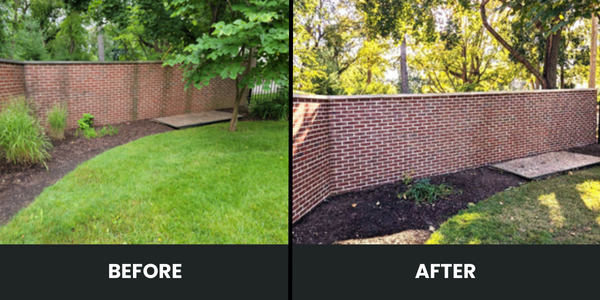
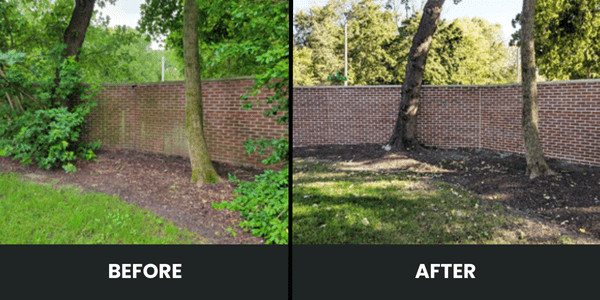
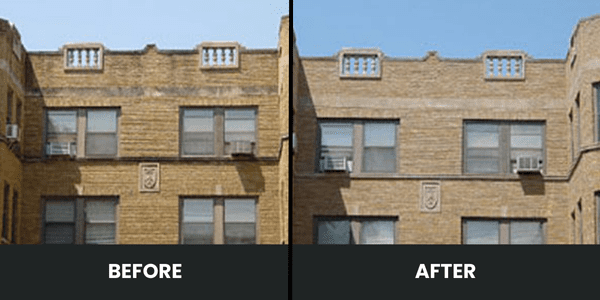
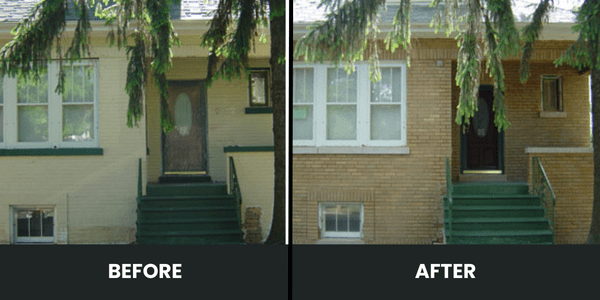
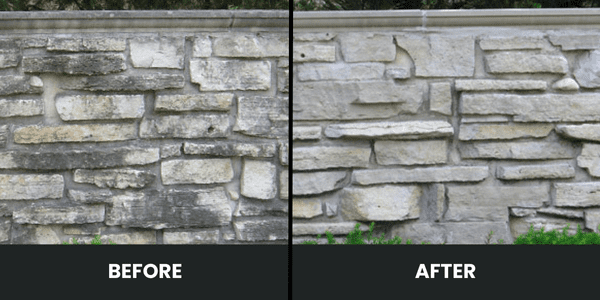
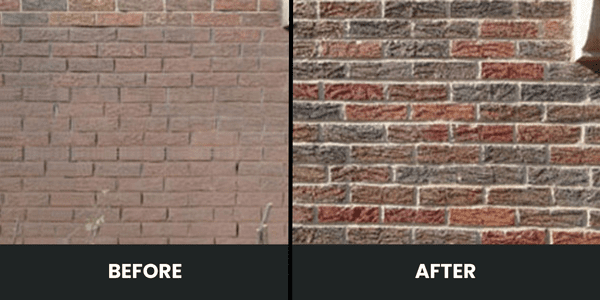
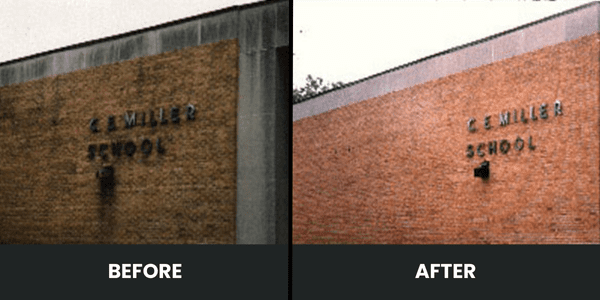
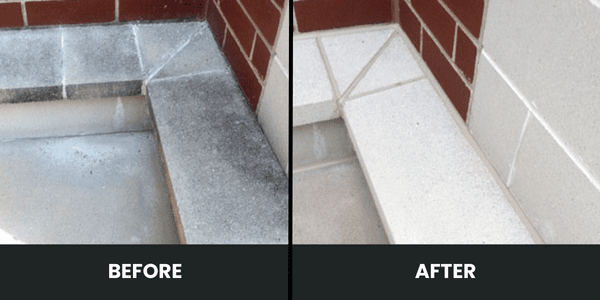
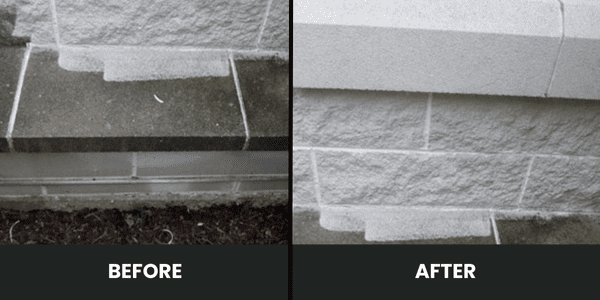
Masonry cleaning is best demonstrated through documented work showing the actual material, existing staining, selected cleaning procedure, and completed condition. This provides property owners with more useful evidence than generic claims about equipment or years of experience.

Schedule Your Palatine Masonry Cleaning Assessment

If your brick, limestone, concrete masonry, or exterior stonework has developed persistent staining, biological growth, or surface deposits, Arrow Masonry & Exteriors Inc. can discuss the condition and the appropriate next steps. Cleaning methods should be selected according to the masonry’s material properties, existing mortar condition, and the type of contamination present.

Our Palatine office provides a local point of contact for residential and commercial masonry maintenance inquiries throughout the northwest Chicago suburbs. Contact us to describe the building, affected surfaces, and any known masonry deterioration so the scope of assessment and cleaning can be established.

Arrow Masonry & Exteriors Inc.

515 S. Vermont St., Suite A
Palatine, IL 60067

Phone: (847) 776-6400

Chicago Office: 300 N. State St., Suite 3504, Chicago, IL 60654

Frequently Asked Questions

Yes. Excessive water pressure, unsuitable nozzle selection, or inappropriate cleaning methods can abrade brick surfaces and dislodge weakened mortar. Older masonry may be especially vulnerable because the brick and mortar can have different physical properties from newer construction. The National Park Service recommends evaluating material condition and testing the cleaning method rather than relying on a single pressure setting.

A controlled cleaning method may be appropriate for sound masonry, but it is not risk-free. Loose joints, deteriorated brick, or fragile architectural surfaces may require repairs or alternative cleaning before water washing can proceed.
No. Efflorescence develops when moisture carries soluble salts through masonry and deposits them on the surface as water evaporates. Cleaning may remove existing deposits, but the staining can return if moisture continues moving through the wall.

The Brick Industry Association’s guidance on efflorescence emphasizes the relationship between moisture and soluble salts. Where white deposits persist, a masonry assessment should examine possible water-entry sources and determine whether repairs are necessary.
The central consideration is whether the cleaning contractor can evaluate the specific masonry material and its condition. Brick, mortar, limestone, sandstone, and concrete masonry do not necessarily tolerate the same cleaning process. A contractor familiar with masonry deterioration can recognize conditions where cleaning should be limited or preceded by repairs.

A suitable proposal should explain material testing, cleaning chemistry, protection of adjoining surfaces, and water-management requirements. These considerations matter regardless of whether the contractor also provides other exterior cleaning services.
Water cleaning near freezing temperatures introduces additional risks because moisture absorbed into masonry may freeze before the wall can dry adequately. The National Park Service cautions against wet cleaning during conditions that could result in freeze-related deterioration. Actual suitability depends on weather, substrate condition, water exposure, and the selected cleaning process.

Cold-weather scheduling should therefore be based on the conditions expected during application and drying, not simply on the calendar date.
Not necessarily. Properly constructed brick masonry may resist rain penetration without an additional surface treatment. Where a water-repellent treatment is considered, the decision should account for the brick, mortar, existing moisture conditions, and the specified product’s suitability.

Compatible silane or siloxane treatments may reduce rainwater absorption while retaining vapor permeability, but they cannot repair open joints, defective flashing, or damaged brick. The required preparation and application conditions must follow the manufacturer’s documentation.
There is no universal cleaning interval appropriate for every masonry building. The need for cleaning depends on the type of contamination, building exposure, surface condition, and property maintenance objectives. A condition-based inspection is more useful than promising that brick should be washed every two or five years.

Repeated cleaning should not be used to conceal unresolved moisture problems or masonry deterioration. If stains return quickly, the cause should be investigated before scheduling another treatment.
Some cleaning chemicals may affect masonry color, surface finish, or material integrity if they are unsuitable for the substrate. Natural stone and historic brick require particular care, and a product approved for one masonry material may not be suitable for another.

Representative testing and the manufacturer’s documented substrate compatibility should guide treatment selection. Where a satisfactory test result cannot be established, an alternative approach may be necessary.
Scroll to Top