
Professional Caulking Services
"Caulking is one of Arrow Masonry’s value added services as it uses the rigging already in place for our core tuckpointing and masonry restoration procedures."
Chicagoland Tuckpointing And Masonry Repair
Servicing all your masonry restoration needs while preserving your building's cosmetic appeal...
Our Services Include:
Tuckpointing
Masonry Restoration
Brick Repair
Stone Restoration
Lintel Replacement
Panel Brick Repair
Chimney Repair
Caulking
Waterproofing
Power Washing
Professional Caulking Services
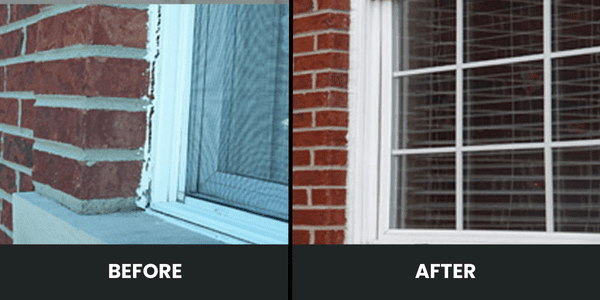
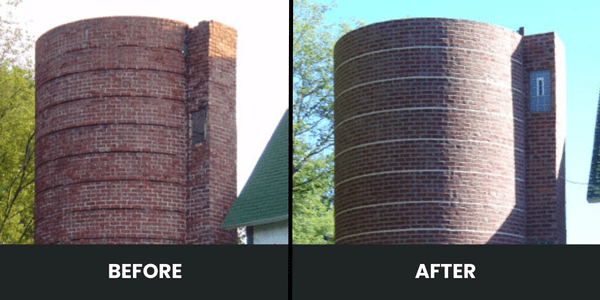
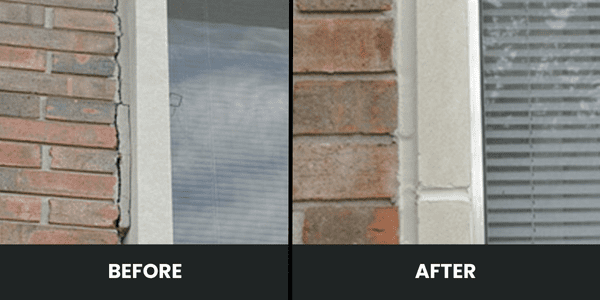
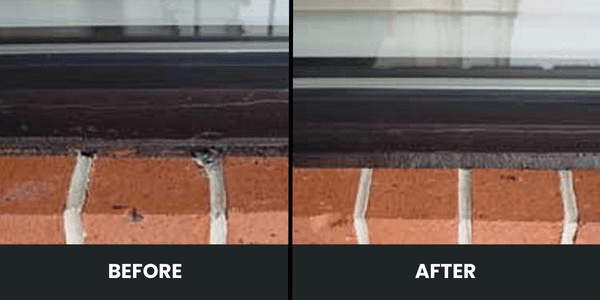
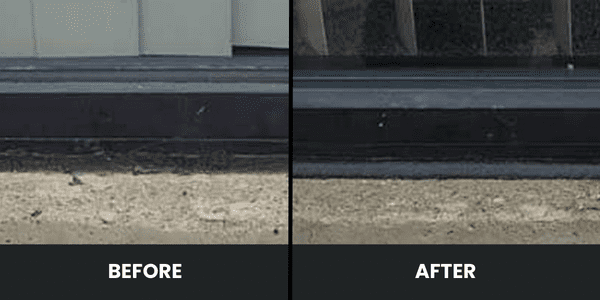
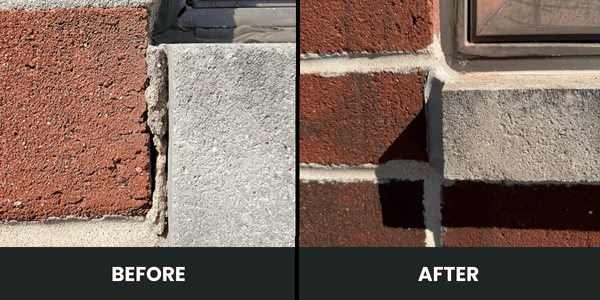
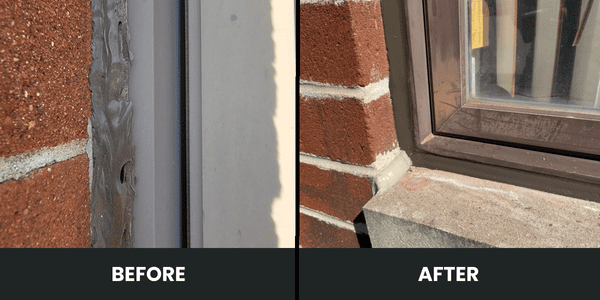
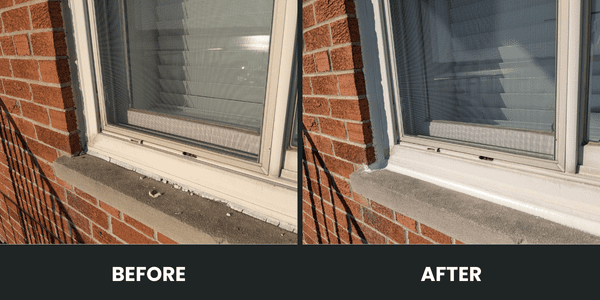
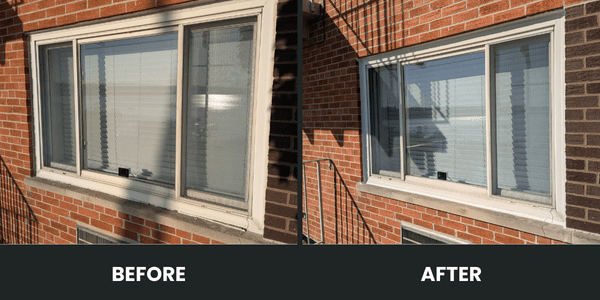
Expert Sealing for Masonry Buildings
Caulking seals expansion joints, control joints, and other gaps in masonry buildings where flexible weatherproofing is needed instead of rigid mortar. Proper caulking prevents water infiltration, accommodates building movement, and protects your investment from weather damage.
Not everything should be tuckpointed. Some joints need flexible sealant to work correctly.
What Needs Caulking vs. Tuckpointing
When to Use Caulk:
Expansion Joints:
- Designed to allow building movement
- Located at regular intervals in walls
- Separate sections of masonry
- Need flexible material, not rigid mortar
Control Joints:
- Intentional breaks to control cracking
- Allow thermal expansion and contraction
- Must remain flexible
Masonry-to-Other Material Transitions:
- Where brick meets window frames
- Door perimeters
- Brick to wood trim
- Masonry to metal flashing
- Different materials expand differently
Movement Joints:
- Any location designed for movement
- Parapet walls
- Roof edge details
- Corners and intersections
When to Use Mortar (Tuckpointing):
- Joints between bricks or stones
- Structural mortar joints
- Anywhere that shouldn't move
- Load-bearing applications
Using caulk instead of mortar (or vice versa) in the wrong location causes problems. We know the difference.
Why Proper Caulking Matters
Water Infiltration Prevention
Failed caulk joints let water in:
- Around windows and doors
- Through expansion joints
- Behind masonry faces
- Into wall cavities
This causes:
- Interior water damage
- Mold and rot
- Brick and mortar deterioration
- Structural problems
- Energy loss
Building Movement Accommodation
Buildings move from:
- Thermal expansion and contraction
- Settlement
- Vibration
- Wind loads
Rigid mortar in movement joints cracks immediately. Flexible caulk accommodates this movement while maintaining a seal.
Energy Efficiency
Gaps around windows, doors, and joints let:
- Conditioned air escape
- Outside air infiltrate
- Heat transfer increase
- Energy costs rise
Proper caulking reduces these losses.
Prevents Secondary Damage
Water entering through failed caulk joints causes:
- Lintel corrosion
- Wood rot in window frames
- Interior finish damage
- Mold growth
- Foundation moisture
Our Caulking Process
1. Assessment
We inspect to identify:
- Which joints need caulking
- Condition of existing caulk
- Whether joints are expansion/control joints
- Water infiltration evidence
- Related problems
2. Proper Preparation
This step is critical for adhesion:
- Remove all old caulk completely
- Clean joints thoroughly
- Remove dirt, oil, and loose material
- Dry surfaces properly
- Apply primer if needed
Skip preparation and new caulk fails quickly.
3. Backer Rod Installation
For deep joints:
- Install foam backer rod at proper depth
- This gives caulk something to push against
- Creates correct joint geometry
- Prevents three-sided adhesion
- Saves sealant
Proper backer rod depth ensures caulk performs correctly.
4. Professional Application
We apply caulk properly:
- Use the right caulk for each location
- Fill joints completely
- Tool to proper shape
- Ensure good contact with both sides
- Smooth finish
5. Quality Check
After curing:
- Verify proper adhesion
- Check for voids or gaps
- Ensure correct appearance
- Address any issues
Types of Caulk We Use
Different locations need different sealants:
Polyurethane
Best for most masonry applications:
- Excellent adhesion to masonry
- Highly flexible
- Paintable
- Durable (15-25 year life)
- Good UV resistance
- Can be used on most surfaces
We use polyurethane for most exterior masonry joints.
Silicone
For specific applications:
- Excellent flexibility
- Outstanding weather resistance
- Not paintable (aesthetic limitations)
- Longer life than polyurethane
- Good for metal-to-masonry joints
Used where appropriate, but not everywhere.
Acrylic
For some interior or protected locations:
- Paintable
- Easy cleanup
- Less durable than polyurethane
- Not suitable for high-movement joints
- Limited exterior use
Hybrid Sealants
Newer technology:
- Combines benefits of different types
- Excellent performance
- Often specified for premium applications
We select the right sealant for each specific application based on:
- Joint movement
- Surface materials
- Exposure conditions
- Aesthetic requirements
- Performance expectations
Common Caulking Locations
Windows and Doors
Perimeters need caulking where:
- Frames meet masonry
- Trim meets brick
- Sills and thresholds
- Top and side transitions
We tuckpoint the brick around windows but caulk where different materials meet.
Expansion Joints
Vertical joints in walls:
- Every 20-30 feet typically
- Break masonry into sections
- Allow thermal movement
- Prevent cracking
These MUST be caulked, never mortared.
Control Joints
Similar to expansion joints:
- Engineered into design
- Control where cracking occurs
- Essential for proper performance
Parapet Walls
Tops of walls need:
- Metal cap to masonry joints
- Corners and transitions
- Any movement locations
Roof-to-Wall Transitions
Where walls meet roofs:
- Chimney flashing
- Wall flashing
- Parapet details
- Penetrations
Masonry-to-Other Materials
Any transition between:
- Brick and siding
- Stone and trim
- Masonry and metal
- Different masonry types
When to Replace Caulk
Caulk doesn't last forever. Replace when:
Visible Deterioration:
- Cracks in caulk
- Shrinkage and gaps
- Peeling away from surfaces
- Crumbling or hardening
Age:
- 10-15 years for most caulk
- 20-25 years for premium polyurethane
- Sooner in harsh exposure
Evidence of Water Entry:
- Leaks around windows
- Staining
- Interior water damage
During Other Work:
- When tuckpointing nearby
- During window replacement
- Masonry restoration projects
- Lintel replacement
Don't wait for complete failure. Preventive replacement saves money.
Common Caulking Mistakes
Using the Wrong Material
Don't use caulk for:
- Structural mortar joints
- Load-bearing applications
- Where mortar should go
Don't use mortar for:
- Expansion joints
- Control joints
- Material transitions
- Anywhere that needs flexibility
Poor Preparation
Caulking over:
- Old caulk
- Dirty surfaces
- Wet joints
- Loose material
Result: New caulk fails quickly.
Wrong Application
- Too thin (won't seal)
- Too thick (waste)
- Three-sided adhesion (pulls apart)
- No backer rod when needed
Using Cheap Caulk
Bargain caulk from hardware stores:
- Fails in 2-5 years
- Poor adhesion
- Limited flexibility
- Costs more long-term
Professional-grade sealants last 3-5 times longer.
Caulking and Other Services
Caulking is often done with:
- Tuckpointing - Repointing mortar, caulking expansion joints
- Window work - Sealing window perimeters
- Lintel Replacement - Caulking above windows after lintel work
- Chimney Repair - Sealing flashing and crown joints
- Waterproofing - Complete water protection system
We coordinate caulking with other masonry services for complete protection.
Common Questions
Can I caulk my own building? Basic caulking is DIY-possible, but getting the right materials, proper preparation, and correct application takes experience. Poor caulking fails quickly.
Why did my caulk fail so fast? Usually poor surface preparation, wrong caulk type, or cheap materials. Professional caulk lasts 15-25 years.
Should I caulk or tuckpoint? Depends on the joint type. We'll assess and use the right material for each location.
What color caulk should I use? Usually match mortar color, though sometimes contrast is better. We recommend based on aesthetics and location.
How long does caulk take to cure? Most professional sealants skin over in hours but take 3-7 days for full cure. We protect fresh caulk appropriately.
Can caulk be painted? Polyurethane and acrylic can be painted. Silicone cannot. We select based on your needs.
Why Choose Arrow Masonry
We Know What Goes Where
50+ years of experience means we know when to caulk vs. when to use mortar. This matters.
Professional Materials
We use commercial-grade sealants that last 2-3 times longer than consumer products.
Proper Preparation
We don't cut corners on surface prep. This is why our caulking lasts.
Complete Service
We handle caulking as part of complete masonry services, coordinating everything efficiently.
See our work and read reviews.
Get Your Free Caulking Assessment
We'll inspect your building, identify joints needing caulking, and provide a detailed estimate.
Call: (847) 776-6400
Serving Chicagoland with professional caulking services.
Learn more about Arrow Masonry.
Professional caulking services since 1972. The right sealant in the right place.
Caulking F.A.Q.s
The first place to check to see if you need caulking is around your windows and doors. If the existing caulk is missing, pulling away or cracking it is time to replace it.
Simply complete the request for quote form below.